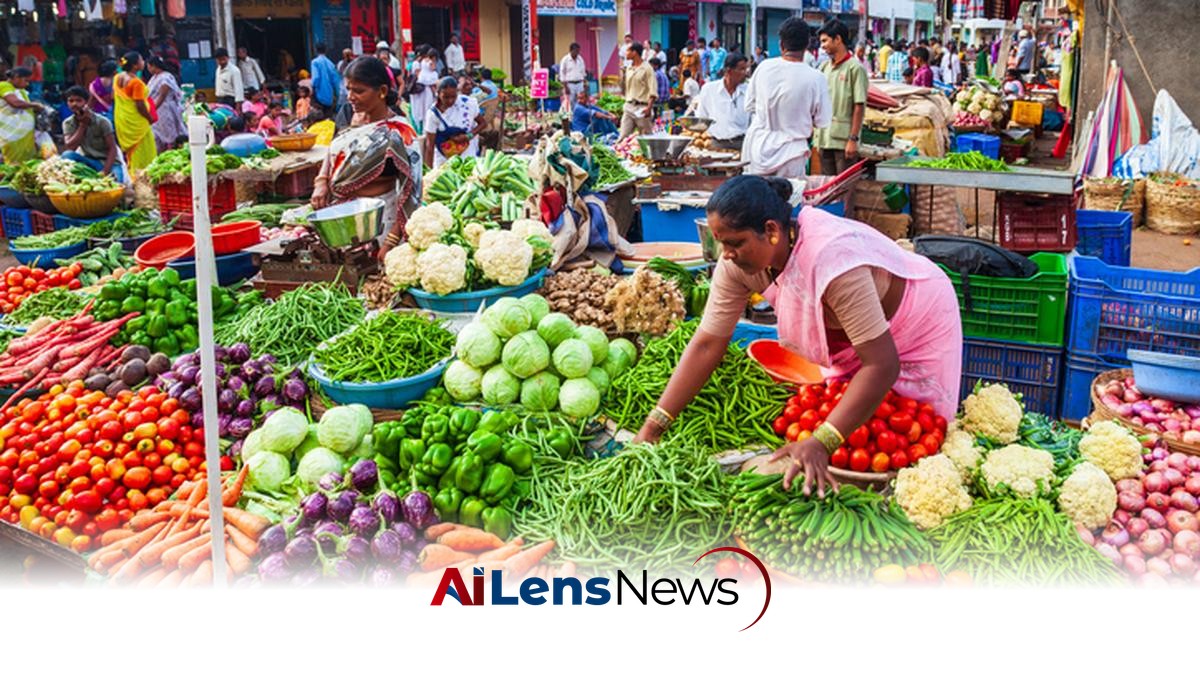


Retail inflation in India surged to 4.4% in June 2026, driven by rising food and fuel prices, marking the first breach of the Reserve Bank's target since December 2024.
New Delhi, India Jul 14, 2026 ALN: Retail inflation in India has reached a significant milestone, hitting 4.4% in June 2026. This figure represents an 18-month high and marks the first time since December 2024 that inflation has surpassed the Reserve Bank of India’s (RBI) target of 4%. This development is particularly noteworthy as it underscores the ongoing economic challenges faced by the country, both domestically and internationally.
The increase in inflation is primarily attributed to rising food and fuel prices, which have been significantly impacted by geopolitical tensions in West Asia and an unusually weak monsoon season. The Consumer Price Index (CPI), which serves as a key measure of inflation, reflects the changing prices of a basket of goods and services consumed by households. The new series of the CPI adjusts for various factors, providing a more accurate picture of inflation trends.
Vivek Rathi, National Director of Research at Knight Frank India, commented on the situation, stating, "The June CPI inflation of 4.4%, exceeding the RBI’s medium-term target of 4%, reflects persistent inflationary pressures arising from global geopolitical uncertainties and supply chain disruptions." This highlights the interconnected nature of global economies and how international events can have direct repercussions on local markets.
On the domestic front, food inflation has emerged as a significant concern. According to reports, food inflation crossed the 5% mark in June 2026, which is the highest recorded level in the new CPI series. This rise is largely due to weather-related disruptions affecting agricultural output, coupled with uneven distribution of the monsoon across various regions of India. The monsoon season is crucial for the agricultural sector, and any disruption can lead to reduced crop yields, driving up prices for consumers.
Aditi Nayar, Chief Economist at ICRA, has noted that retail food prices have continued to rise into July 2026, compared to both the previous month and the same month last year. This trend suggests that inflation in the food segment may escalate further, indicating a persistent challenge for consumers who are already grappling with higher living costs. The implications of rising food prices are profound, as they can affect not only household budgets but also overall economic stability, particularly for low-income families who spend a larger proportion of their income on food.
In addition to food inflation, the transport segment of the CPI also experienced a notable increase, with inflation rising to 4.3% in June 2026, up from 1.7% in May. This surge is largely attributed to a rise in fuel prices, which saw significant hikes implemented by oil marketing companies in June. The increase in transport costs can have a cascading effect on the economy, as higher fuel prices often lead to increased costs for goods and services, further exacerbating inflationary pressures.
Nayar emphasized that the non-food component of the CPI may also contribute to upward pressure on overall inflation figures, partly due to the passthrough effect of higher fuel prices into the costs of other goods and services. This interconnectivity illustrates how fluctuations in one sector can ripple through the economy, affecting various aspects of daily life and economic activity.
Another area of concern is the ‘personal care, social protection and miscellaneous goods & services’ category, which recorded an inflation rate of 16.7% in June 2026. Although this figure represents a decline from previous months, it remains worryingly high. The inflation in this category has been driven by rising prices of gold and silver, which have been further exacerbated by increased import duties imposed by the government on these precious metals. The rising costs of personal care goods can also impact consumer spending habits, as individuals may prioritize essential items over luxury or non-essential purchases.
The implications of these inflationary trends are multifaceted. For policymakers, the rise in inflation presents a challenge in balancing economic growth with price stability. The RBI may need to consider adjusting monetary policy, potentially increasing interest rates to curb inflation, which could have further implications for borrowing costs and economic activity. Higher interest rates can dampen consumer spending and investment, potentially slowing economic growth.
Moreover, inflation can erode purchasing power, leading to decreased consumer confidence and spending. As prices rise, consumers may find it increasingly difficult to maintain their standard of living, particularly those in lower income brackets who are more vulnerable to price fluctuations. This could lead to increased calls for government intervention, such as subsidies or price controls, to alleviate the burden on consumers.
In conclusion, the rise in retail inflation to 4.4% in June 2026 reflects a confluence of domestic and global factors that are impacting the Indian economy. The persistent inflationary pressures from food and fuel prices, coupled with geopolitical uncertainties, pose significant challenges for consumers and policymakers alike. As the situation evolves, it will be critical to monitor these trends and their implications for the broader economy, ensuring that measures are taken to support those most affected by rising prices.
To understand the broader context of these inflationary trends, it is essential to consider the historical backdrop of inflation in India. Over the past decade, India has experienced various phases of inflation, influenced by factors such as global commodity prices, domestic supply chain dynamics, and government policies. The RBI has often adjusted its monetary policy in response to inflationary pressures, employing tools such as interest rate changes and open market operations to manage liquidity in the economy.
Furthermore, the ongoing global economic climate, characterized by fluctuating oil prices and supply chain disruptions due to geopolitical tensions, has added complexity to India's inflation scenario. The COVID-19 pandemic, which had far-reaching effects on global supply chains, has also left a lasting impact on inflation dynamics, with many countries, including India, grappling with the aftereffects.
In addition, the agricultural sector's vulnerability to climate change and erratic weather patterns has underscored the need for robust agricultural policies and infrastructure improvements. The monsoon season is critical for Indian agriculture, and its unpredictability can have cascading effects on food prices and overall inflation. Policymakers are increasingly recognizing the importance of investing in sustainable agricultural practices and enhancing irrigation facilities to mitigate the impact of climate change on food security.
As inflation continues to rise, the government may also face pressure to implement social welfare programs aimed at supporting the most vulnerable populations. This could include measures such as direct cash transfers, food subsidies, or targeted assistance programs designed to alleviate the burden of rising living costs. The effectiveness of such measures will depend on careful planning and execution to ensure that they reach those in need without creating additional distortions in the market.
In summary, the rise in retail inflation to 4.4% in June 2026 is a complex issue influenced by a combination of domestic and international factors. The interplay of food and fuel prices, along with geopolitical uncertainties, presents significant challenges for consumers and policymakers alike. As the situation continues to evolve, it will be crucial to monitor inflation trends and their implications for the broader economy while considering appropriate measures to support those most affected by rising prices.
To learn more about the latest developments in Corporate & Industry Insights, stay updated with our exclusive reports and analyses on AiLensNews.

