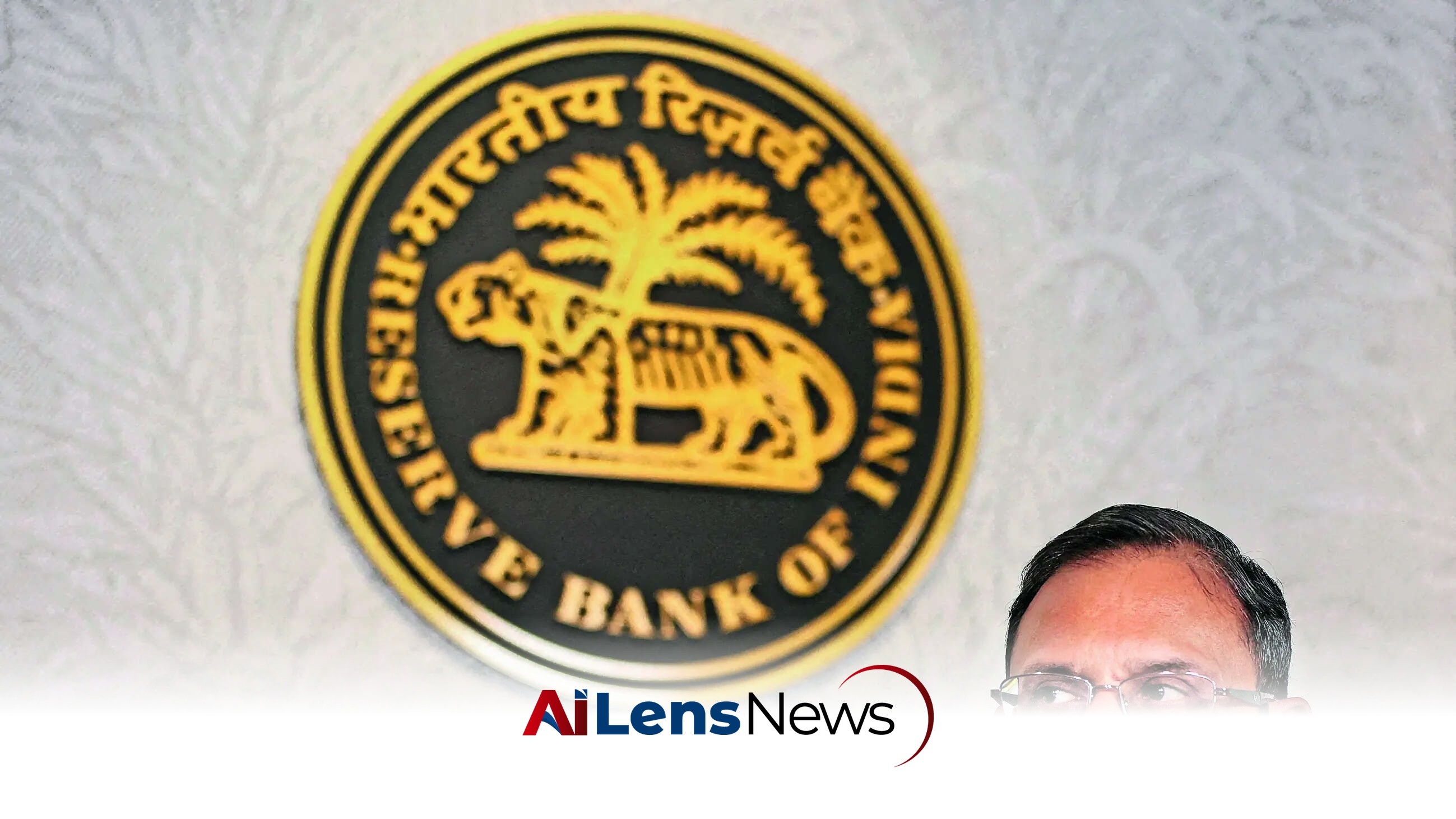


Central bank governor Sanjay Malhotra discussed AI, geopolitical issues, and new ECL guidelines with bank CEOs, addressing the impact on energy prices and FCNR(B) inflows.
New Delhi, India Jul 15, 2026 ALN: Mumbai: The central bank governor, Sanjay Malhotra, met with bank chief executives on Tuesday to discuss pressing issues such as geopolitical complexities, the rise of artificial intelligence, and new expected credit loss (ECL) guidelines. These discussions are crucial as they highlight the challenges faced by both India and the global economy in the current climate. The meeting reflects the RBI's proactive approach to engaging with the banking sector, especially in a time of rapid change and uncertainty.
During the meeting, bank executives shared their estimates regarding inflows from the Foreign Currency Non-Resident (Bank) [FCNR(B)] scheme. Although this was not the primary focus, it provided valuable insights into the banks' expectations. One participant noted, "The governor discussed the increasing challenges India and the world would face due to geopolitical volatilities and the impact it will have on energy prices." This acknowledgment of geopolitical issues is particularly significant as it underscores the interconnectedness of global events and their direct influence on domestic conditions.
Recent military actions in various regions have led to a spike in oil prices, rising over 9% as Brent crude futures reached $83.30 per barrel. This escalation raises concerns for oil-importing countries like India, which could face higher energy costs, potentially leading to inflationary pressures. The governor emphasized the importance of understanding these geopolitical dynamics and their implications for the banking sector. With India being one of the largest consumers of oil, fluctuations in energy prices can have a cascading effect on various sectors, including transportation, manufacturing, and overall consumer spending.
Moreover, the geopolitical landscape is further complicated by tensions between major global powers, which can lead to volatility in commodity prices and supply chains. For banks, this means a need for more robust risk management strategies to navigate the uncertainties that arise from such geopolitical tensions. The RBI's focus on these issues demonstrates its recognition of the broader implications and the need for banks to be prepared for potential shocks.
In addition to geopolitical issues, the meeting also addressed cybersecurity, forex retail, and the promotion of digital currency by the Reserve Bank of India (RBI). As the banking sector increasingly digitizes its services, the importance of cybersecurity cannot be overstated. With cyber threats on the rise, banks must invest in advanced security measures to protect sensitive customer data and maintain trust in their systems. The RBI has been actively promoting initiatives to enhance cybersecurity frameworks within banks, recognizing that a secure banking environment is essential for customer confidence and financial stability.
On the topic of digital currency, the RBI has been exploring the potential implementation of a Central Bank Digital Currency (CBDC), which could revolutionize the way transactions are conducted. The discussions during the meeting highlighted the need for banks to prepare for the eventual rollout of digital currencies, which may require changes in infrastructure, regulatory compliance, and customer engagement strategies. The transition to a digital currency system could also impact monetary policy and the overall functioning of the financial system, making it a critical area of focus for both the RBI and the banks.
Bankers had limited points to raise regarding FCNR(B) flows, as most queries had already been clarified in the FAQs. The governor mentioned that he had no further updates on FCNR(B) since the finance minister had already communicated with banks to enhance outreach for greater mobilization of foreign currency deposits. This indicates the RBI's ongoing efforts to ensure that banks are effectively utilizing the available resources to attract foreign investments and deposits.
Initial expectations from banks suggested inflows of between $30 billion to $50 billion through FCNR(B) and External Commercial Borrowings (ECB) until the special window closes at the end of September. However, the volatile global market and high prices demanded by foreign banks have resulted in a slow start for these inflows. The fluctuating global conditions have made banks cautious in their approach, as they navigate the complexities of attracting foreign capital amidst uncertainty.
The FCNR(B) scheme is vital for India as it allows non-resident Indians to deposit funds in foreign currency, thereby providing a source of foreign exchange that can help stabilize the rupee and support the country's balance of payments. As the demand for foreign currency deposits fluctuates, banks must remain agile and responsive to market conditions to meet their targets.
One deputy governor remarked that banks must intensify their marketing efforts to achieve these targets, as a higher interest rate alone may not suffice. The meeting included RBI deputy governors Swaminathan J, Poonam Gupta, S C Murmu, and Rohit Jain, along with executive directors responsible for supervision, regulation, enforcement, consumer education, protection, and financial inclusion. This diverse representation highlights the multifaceted challenges that banks face and the collaborative approach needed to address them.
The discussions underscored the need for banks to adapt to the evolving landscape shaped by geopolitical factors and technological advancements. As the banking sector navigates these challenges, the RBI remains committed to fostering a stable and secure financial environment. The bank's proactive engagement with the banking community is essential for identifying potential risks and opportunities, ensuring that the sector is well-equipped to respond to both domestic and global challenges.
Looking ahead, the implications of these discussions may extend beyond immediate concerns. As geopolitical tensions continue to evolve, banks may need to reassess their risk management frameworks and strategies to ensure resilience. Additionally, the rise of artificial intelligence in banking operations could lead to significant changes in customer interactions, operational efficiency, and decision-making processes. The integration of AI technologies presents both opportunities and challenges, requiring banks to invest in training and infrastructure to harness their full potential.
In conclusion, the meeting between the RBI governor and bank CEOs reflects the critical need for collaboration and communication in addressing the multifaceted challenges facing the banking sector. As geopolitical uncertainties persist and technological advancements reshape the financial landscape, the RBI's guidance and the proactive engagement of banks will be key to navigating these complexities and ensuring a stable environment for India in the years to come.
To learn more about the latest developments in Corporate & Industry Insights, stay updated with our exclusive reports and analyses on AiLensNews.

