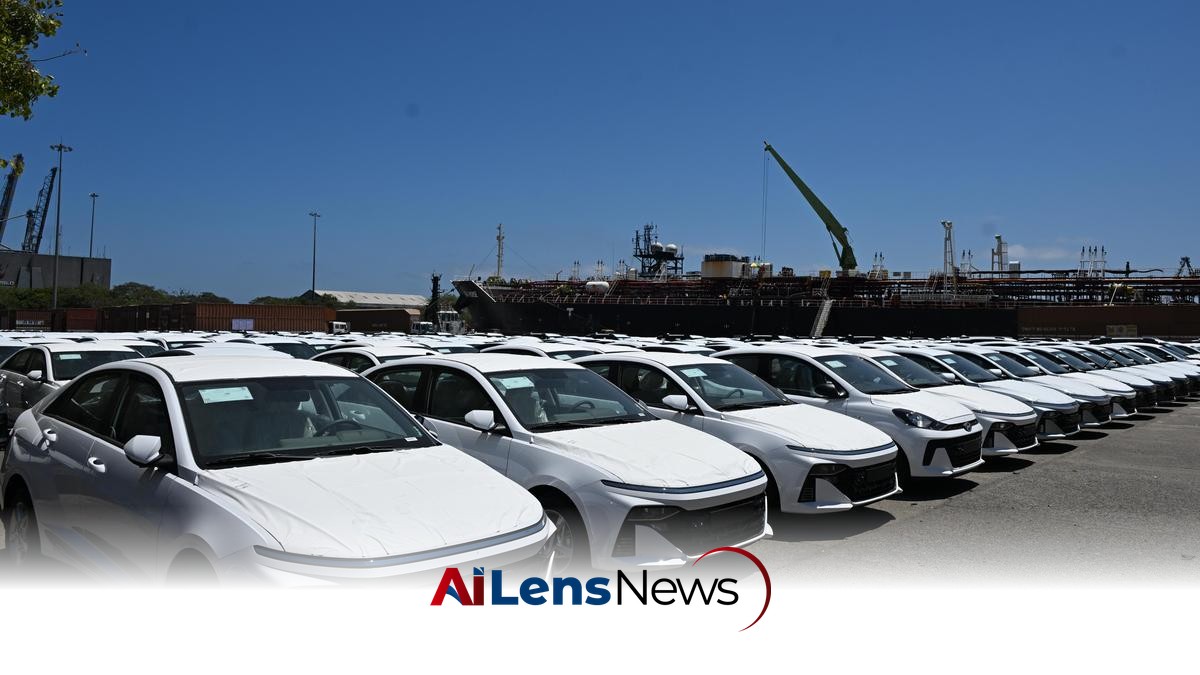


India's automobile sector experienced a significant 21% YoY growth in Q1 2026, with expectations for sustained momentum into Q2 driven by festive demand.
New Delhi, India Jul 16, 2026 ALN: India’s automobile sector experienced a remarkable surge in sales during the first quarter (Q1) of the fiscal year 2026-27, with a year-on-year (YoY) growth of 21.4%. This increase is attributed to a combination of factors, including strong domestic demand, favorable tax policies, and reduced financing costs. The total vehicle sales reached 7,381,656 units from April to June 2026, according to data released by the Society of Indian Automobile Manufacturers (SIAM) on July 15, 2026.
The impressive growth was observed across all vehicle segments, including passenger vehicles, commercial vehicles, and three-wheelers, which all recorded their highest-ever Q1 sales during this period. Additionally, the exports of all vehicle segments, including two-wheelers, also reached record levels, indicating a robust performance not just in domestic markets but also internationally.
Rajesh Menon, Director General of SIAM, highlighted the specifics of the sales figures, noting that passenger vehicle sales alone hit 1.27 million units, marking a substantial 25.9% increase compared to Q1 of the previous fiscal year. The three-wheeler segment saw an impressive growth of 29.7%, with sales reaching 214,000 units, while two-wheeler sales rose by 20.3%, totaling 5.63 million units. Furthermore, commercial vehicle sales grew by 18.3%, achieving 265,000 units during the same quarter.
Shailesh Chandra, President of SIAM, provided further insights into the factors contributing to this strong performance. He noted that the growth was particularly significant given the geopolitical disruptions in West Asia, which could have posed challenges to supply chains and consumer confidence. However, the supportive domestic demand, coupled with the lower goods and service tax (GST) rates and softer financing costs, played a crucial role in bolstering sales. The low base effect from the previous year, when sales were impacted by various factors, also contributed to the heightened growth figures.
Chandra emphasized that while consumer sentiment remains steady, the industry is vigilant about external factors, particularly geopolitical developments and the progress of the monsoon season, which are critical for agricultural output and rural demand. The monsoon plays a significant role in India’s economy, especially in rural areas where a large portion of the population relies on agriculture for their livelihoods. A good monsoon can lead to increased disposable income in rural areas, subsequently boosting demand for automobiles.
In June 2026, the sales figures continued to reflect this upward trend, with passenger vehicle sales reaching 388,144 units, which is a 24.1% increase YoY. Three-wheeler sales stood at 77,951 units, up 26.1% YoY, and two-wheeler sales were recorded at 1,851,400 units, showing an 18.6% increase compared to the same month in the previous year.
SIAM pointed out that the overall vehicle costs have remained lower due to the impact of GST 2.0, along with the availability of financing at reduced rates, which have been instrumental in driving demand. The GST reduction has made vehicles more affordable for consumers, thereby stimulating sales. As the industry approaches the festive season, which traditionally sees a spike in vehicle purchases, the outlook remains optimistic that this steady demand will continue.
However, SIAM also cautioned that commodity costs pose a significant pressure point for the industry. The cost of raw materials, which includes metals and other components essential for vehicle manufacturing, has been fluctuating and could impact profit margins for manufacturers. While the earlier ceasefire in West Asia had eased the supply of gas, fuels, and other commodities, the industry remains alert to recent developments that could disrupt supply chains and affect costs.
The automobile sector in India has been a critical component of the country's economic growth, contributing significantly to employment and GDP. The recent surge in sales reflects not only consumer confidence but also the resilience of the industry in navigating challenges such as supply chain disruptions and fluctuating commodity prices. As the government continues to implement policies aimed at enhancing the manufacturing sector, including initiatives like 'Make in India', the automotive industry is expected to play a pivotal role in driving economic recovery and growth.
The Indian automotive industry is one of the largest in the world, and its growth trajectory is closely linked to various socio-economic factors. The industry's performance is often seen as a barometer of the overall economic health of the country. Factors such as urbanization, rising incomes, and increasing consumer preferences for personal mobility have all contributed to the growth of the automobile sector in India. Moreover, the government's push for electric vehicles (EVs) and sustainable transportation solutions is reshaping the landscape of the industry.
Looking ahead, industry experts believe that the continued introduction of new models and innovations in electric vehicles (EVs) will further stimulate growth in the sector. With the global shift towards sustainable transportation, Indian manufacturers are increasingly investing in EV technology and infrastructure, which could open up new avenues for growth in the coming years. The government's initiatives, such as the Faster Adoption and Manufacturing of Electric Vehicles (FAME) scheme, are also expected to play a crucial role in accelerating the adoption of EVs in the country.
In conclusion, the first quarter of 2026-27 has set a positive tone for India's automobile industry, showcasing strong growth across all segments amid a supportive economic environment. While external factors such as commodity costs and geopolitical developments remain areas of concern, the overall outlook for the sector appears promising as it gears up for the festive season and beyond. The resilience of the industry, combined with favorable policies and a growing consumer base, positions the Indian automobile sector for continued success in the future.
To learn more about the latest developments in Corporate & Industry Insights, stay updated with our exclusive reports and analyses on AiLensNews.

