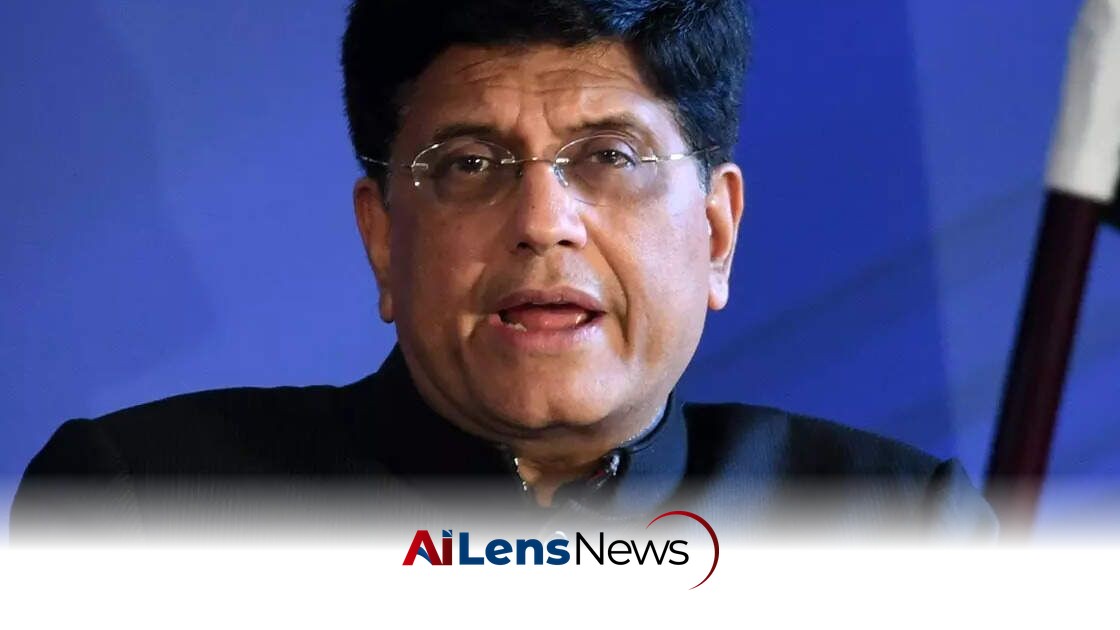


Commerce Minister Piyush Goyal has dismissed reports alleging India rejected a quick trade deal with the US, asserting ongoing negotiations are on track.
New Delhi, India Jul 13, 2026 ALN: Commerce and Industry Minister Piyush Goyal on Monday rejected reports claiming India had refused to move ahead with a trade agreement with the United States, calling them "completely false, baseless and misleading." In a post on X, Goyal emphasized that he had "fantastic meetings" with US Trade Representative (USTR) Jamieson Greer during the latter's visit to New Delhi in June, reaffirming that negotiations remain on track.
In his statement, Goyal stressed the importance of the ongoing discussions, highlighting that both sides are committed to an agreement that will be beneficial for businesses, farmers, workers, and consumers in both nations. He stated, "This news is completely false, baseless and misleading. I had fantastic meetings with USTR Jamieson Greer when he visited Delhi in June. Both sides reaffirmed their commitment to an agreement that is balanced, commercially meaningful, and delivers tangible benefits for businesses, farmers, workers, and consumers in both countries." This assertion is crucial as it seeks to clarify India's position amidst swirling rumors regarding the status of the trade negotiations.
His remarks came in response to various reports that cited unnamed officials claiming India had rejected a quick interim trade agreement with the US and was holding out for better terms after negotiations last month failed to produce a deal. These reports indicated that India was cautious about entering into an agreement without certain assurances, particularly concerning key demands such as preferential tariff treatment over competitors like China and protection from potential future US tariff hikes. The reports also suggested that New Delhi was unwilling to compromise on sensitive sectors, notably agriculture, which has historically been a contentious issue in trade negotiations.
Trade Secretary Rajesh Agarwal also sought to reassure markets, stating that India was progressing well on the proposed bilateral trade agreement with the US and did not foresee any challenges in the negotiations. His comments complement Goyal's assertions, indicating that despite the challenges, both sides are still actively engaged in discussions aimed at reaching a satisfactory agreement.
Reports had cited differences over tariffs
Earlier reports indicated that the two nations were grappling with significant differences over tariffs and market access, which are critical components of any trade agreement. The hesitance from India's side to rush into an agreement stems from a desire to secure favorable terms that would not only protect its domestic industries but also ensure that the benefits of any agreement are equitably distributed among all stakeholders involved.
In particular, India's reluctance to compromise on agriculture reflects the sector's importance to its economy and the livelihoods of millions of farmers. Agriculture has been a sensitive area in trade negotiations, with India seeking to protect its farmers from international competition that could result from reduced tariffs on agricultural imports. The protection of the agricultural sector is a significant aspect of India's trade policy, as it aims to maintain food security and support local farmers.
The reports suggested that the two sides were unable to conclude an interim agreement during Greer's visit to New Delhi in June despite several rounds of negotiations. This inability to finalize an agreement has raised concerns about the future of the trade negotiations, especially considering the backdrop of possible new US tariffs expected later this month. Such tariffs could further complicate the negotiations and impact the overall trade relationship between the two countries.
Talks continue
India and the US have been negotiating a bilateral trade agreement for several months as both countries seek to expand trade and investment ties. The relationship between the two nations has been characterized by a mutual interest in enhancing cooperation, particularly in light of the changing global trade dynamics and geopolitical considerations. Both countries recognize the potential benefits of a robust trade agreement, which could lead to increased growth, job creation, and enhanced competitiveness in the global market.
While differences remain on issues such as tariffs and market access, Goyal's statement and Agarwal's comments indicate that both governments continue to engage with the aim of reaching a balanced and commercially meaningful agreement. The ongoing negotiations are not only significant for the relationship between India and the US but also carry broader implications for global trade, especially in the context of shifting alliances and trade policies worldwide.
The trade discussions come at a time when both countries are looking to bolster their ties in the face of rising protectionism and trade tensions in various parts of the world. As India seeks to position itself as a key player in the global supply chain, a comprehensive trade agreement with the US could serve as a catalyst for attracting foreign investment and enhancing its export capabilities.
Moreover, the negotiations are likely to be influenced by domestic political considerations in both countries. In the US, trade policies are often a topic of significant political debate, and any agreement will need to be carefully crafted to address the concerns of various stakeholders, including labor unions and industry groups. Similarly, in India, the government must navigate the complexities of domestic politics, ensuring that any trade agreement aligns with its broader and social objectives.
As the negotiations continue, both sides will need to demonstrate flexibility and a willingness to compromise to achieve a mutually beneficial outcome. The path forward may involve further rounds of discussions, consultations with various stakeholders, and a careful balancing act to address the diverse interests at play. The outcome of these negotiations will not only shape the relationship between India and the US but could also set the tone for future trade agreements and partnerships in an increasingly interconnected global economy.
To learn more about the latest developments in Corporate & Industry Insights, stay updated with our exclusive reports and analyses on AiLensNews.

