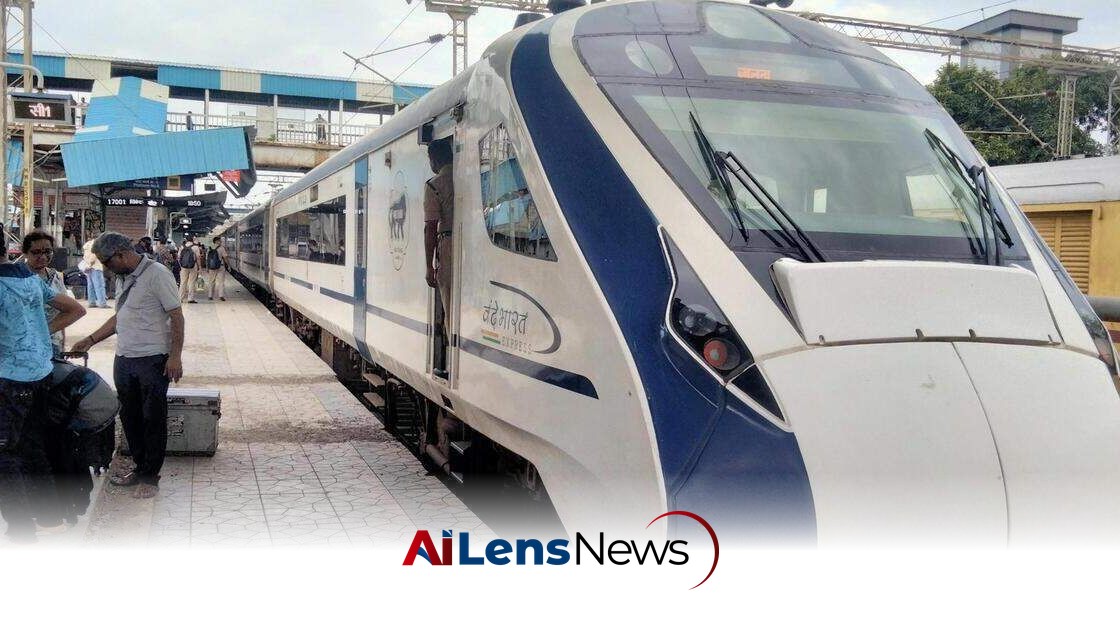


The rollout of 120 Vande Bharat sleeper trains has been postponed as final designs await approval, with the prototype now expected by late 2026.
New Delhi, India Jul 18, 2026 ALN: New Delhi: The rollout of 120 Vande Bharat sleeper trains by Kinet Railway Solutions, an Indo-Russian joint venture, has been delayed due to pending design approvals. This setback has prompted Indian Railways to leverage its own manufacturing units to expedite the production of these next-generation sleeper coaches, officials reported.
The Vande Bharat sleeper trains are part of a broader initiative by the Indian government to modernize the country’s railway infrastructure, which is one of the largest rail networks in the world. The Indian Railways has been under pressure to enhance the quality of services and improve passenger experience, especially as the demand for sleeper coaches continues to grow. The introduction of sleeper trains is intended to provide travelers with a more comfortable and efficient way to travel long distances overnight.
Historically, Indian Railways has been a vital component of the country's transportation network, facilitating the movement of millions of passengers daily. The demand for sleeper coaches has surged as more Indians opt for long-distance travel by train, driven by the affordability and convenience offered by the rail network. The Vande Bharat sleeper trains are envisioned as a significant upgrade to the existing sleeper coach offerings, which often face criticism for their outdated facilities and lack of modern amenities.
A German consultant responsible for submitting the designs to Kinet Railway Solutions has yet to deliver the approved designs. This delay in design approval is critical as it directly affects the timeline for the entire project. Kinet announced that the prototype for the Vande Sleeper trains will not be ready until the end of 2026, marking a delay of over two years. This timeline is significant as it pushes back the anticipated benefits of the new sleeper trains, which include improved amenities and safety features compared to existing options. The delay is seen as a setback not only for the manufacturers but also for the Indian Railways, which has been eagerly anticipating the introduction of these modern coaches to enhance its service offerings.
In response to inquiries, Kinet's Press Service stated, "We do not comment on our contractual relationships with individual suppliers or the commercial terms of those relationships," emphasizing that more than 100 suppliers are involved in the project, including those focused on engineering and design. The complexity of the project, involving numerous suppliers and stakeholders, underscores the challenges faced in coordinating such a large-scale initiative. Each supplier plays a crucial role in ensuring that the final product meets the required standards and specifications. This intricate web of relationships highlights the importance of effective communication and project management in the successful execution of large infrastructure projects.
Despite the delay, Kinet assured that all suppliers are adhering to the approved plan, and the design of the Vande Bharat sleeper train sets is being developed and integrated by Kinet. The company added, "The project is progressing in line with the agreed schedule." However, the reality of the situation suggests that the timeline has been significantly impacted, and it remains to be seen how the company will manage the ensuing challenges. Of the 200 Vande Sleeper trains bid out in 2023, 80 contracts were awarded to a consortium comprising Titagarh Rail Solutions Ltd (TRSL) and Bharat Heavy Electricals Ltd (BHEL). This collaboration is expected to play a vital role in the manufacturing process, as both companies have established reputations in the railway manufacturing sector. Their combined expertise is anticipated to streamline production and help mitigate some of the delays caused by the design approval process.
The Vande Bharat trains are designed to enhance passenger comfort and efficiency in rail travel, featuring modern amenities and advanced technology. Key features expected from the Vande Bharat sleeper trains include improved seating arrangements, better sanitation facilities, and enhanced safety measures. Their successful rollout is crucial for modernizing India's railway infrastructure, which has historically faced challenges in terms of capacity, reliability, and passenger experience. The introduction of these sleeper trains is aligned with the government's vision to transform Indian Railways into a world-class travel experience, catering to the evolving needs of passengers.
As the Indian Railways seeks to meet the growing demand for sleeper coaches, the focus will remain on ensuring that the design and manufacturing processes align with the set timelines. The collaboration with domestic manufacturing units is expected to mitigate some of the delays experienced with the joint venture. Indian Railways has been increasingly emphasizing the importance of self-reliance in manufacturing, aligning with the government's 'Make in India' initiative, which aims to boost domestic production and reduce dependence on foreign suppliers. This initiative not only supports local industries but also aims to enhance the overall quality and efficiency of products manufactured within the country.
Furthermore, the delay in the Vande Bharat sleeper trains' rollout raises questions about the overall strategy of Indian Railways in managing large-scale projects. The ability to effectively coordinate with multiple suppliers and ensure timely delivery of components is essential for the success of ambitious projects like this one. The Indian Railways has previously faced criticism for delays in various projects, and this situation may prompt a reevaluation of project management practices and supplier relationships. The scrutiny from stakeholders and the public may lead to a more rigorous approach to project oversight and accountability, ensuring that future initiatives are better managed.
In conclusion, while the delay in the Vande Bharat sleeper trains' rollout poses challenges, the Indian Railways is taking proactive steps to ensure that the project remains on track for future success. The focus on leveraging domestic manufacturing capabilities and the commitment to maintaining quality standards may help mitigate some of the impacts of the current delays. As the situation develops, stakeholders will be closely monitoring the progress of the Vande Bharat sleeper trains, as their successful implementation is key to enhancing the overall efficiency and appeal of rail travel in India. The future of rail travel in India hinges on the ability of Indian Railways to adapt and innovate in response to challenges, ensuring that it meets the needs of a growing and increasingly mobile population.
To learn more about the latest developments in Corporate & Industry Insights, stay updated with our exclusive reports and analyses on AiLensNews.

