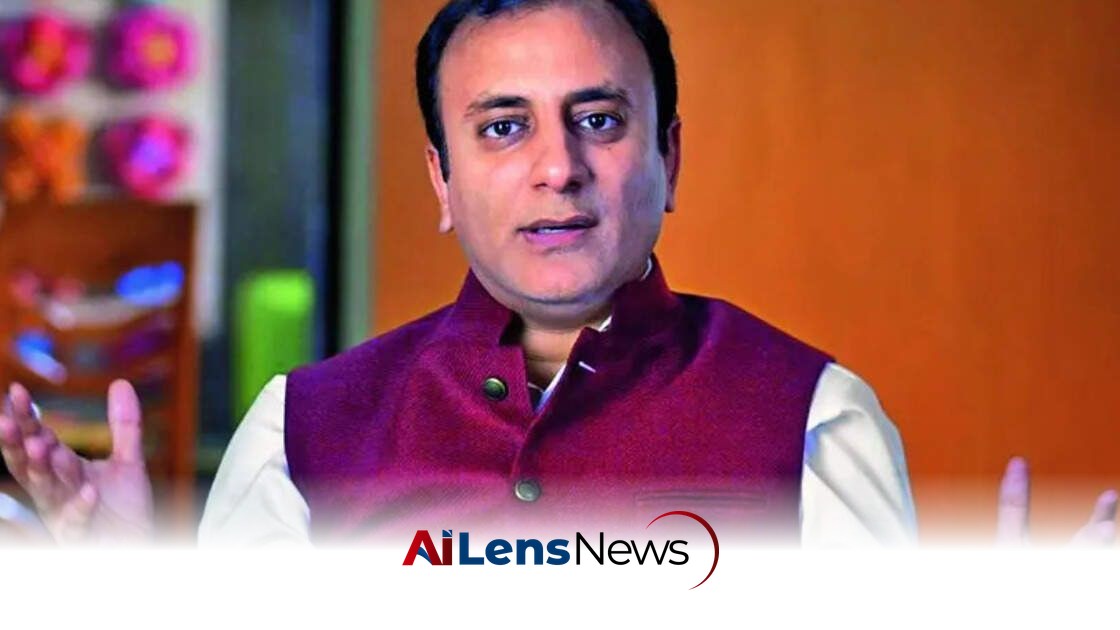


Dalmia Bharat is set to enhance its pan-India footprint, focusing on organic growth and strategic acquisitions, including a significant deal with Jaypee Associates.
New Delhi, India Jul 16, 2026 ALN: Mumbai: Dalmia Bharat plans to significantly expand its presence across India, primarily through organic growth while remaining open to strategic acquisitions. Managing Director Puneet Dalmia emphasized that the recent acquisition of Jaypee Associates' cement businesses from the Adani Group will accelerate their entry into central and northern Indian markets.
"We want to build a pan-India footprint. The Jaypee deal opens a new region for us and accelerates our market entry," Dalmia stated. He noted that acquisitions must meet criteria of financial accretion and strategic fit to be considered. This acquisition is a pivotal move for Dalmia Bharat, as it marks a significant shift in the company's operational geography, positioning it to tap into the growing demand for cement in these regions.
Dalmia Bharat, now the country's fourth-largest cement producer, recently increased its capacity by 5.2 million tonnes and 3.3 million tonnes of clinker for ₹2,850 crore through the Jaypee buyout. This brings the company's total capacity to 55 million tonnes, with plans to scale it to 75 million tonnes by FY28 and 110-130 million tonnes by FY31. The ambitious targets reflect the company's confidence in the growing infrastructure needs of India, driven by urbanization and government initiatives aimed at boosting construction.
While the company is focusing on organic growth as its base case, Dalmia mentioned that inorganic growth will serve as an additional strategy. "We look at organic as the base case, and inorganic as a topping," he explained. This dual approach allows Dalmia Bharat to remain agile in a competitive market while also capitalizing on potential opportunities that arise through acquisitions. The focus on both strategies is indicative of a broader trend within the industry, where companies are increasingly looking for ways to enhance their market position through both internal growth and external partnerships.
Among its ongoing projects, Dalmia Bharat has announced a 3-million-tonne greenfield plant in Pune and is increasing capacities at its existing plants in Belgaum and Kadapa. The Kadapa facility is expected to become one of the company's largest and most efficient plants, benefiting from abundant clean energy and strategic logistics advantages. The investment in this facility is part of a broader commitment to sustainability, as Dalmia Bharat seeks to reduce its carbon footprint and enhance operational efficiency.
The Kadapa expansion involves an investment of ₹3,100 crore, raising the plant's total capacity to 9.6 million tonnes. Dalmia highlighted that the location is strategically positioned near major cities like Bengaluru, Chennai, and Amaravati, making it ideal for future demand. This geographic advantage not only positions the company to serve emerging markets effectively but also aligns with India's growing infrastructure projects, which require substantial cement supplies.
Southern India, which accounts for nearly a third of the market capacity, has seen intense competition among major players like UltraTech Cement and Adani Cement. This rivalry has impacted Dalmia Bharat's market share and pricing strategies. The presence of established competitors in this region necessitates a strategic approach to both pricing and distribution to maintain and grow market share. Despite this, the company plans to add three-fourths of its announced 12 million tonnes of additional capacity in the southern market.
Dalmia stated, "We have to take a long-term view on these things. If you are cost-competitive and your balance sheet is strong, you can weather the cycle. Cement is going to become a big boys' game." He remains optimistic about the company's ability to navigate market challenges and capitalize on growth opportunities. The cement industry is known for its cyclical nature, influenced by conditions, construction activity, and regulatory changes. Dalmia Bharat's strategy appears to be focused on building resilience through strategic investments and maintaining operational efficiency.
The cement industry in India is poised for significant growth, driven by government initiatives such as the National Infrastructure Pipeline, which aims to invest heavily in infrastructure development across the country. This growth trajectory presents both opportunities and challenges for companies operating in this space. As demand for cement is expected to rise, companies like Dalmia Bharat must balance capacity expansion with environmental sustainability and cost management.
Furthermore, the emphasis on green technologies and sustainable practices in cement production is becoming increasingly important. Dalmia Bharat's focus on clean energy at its Kadapa facility is an example of how companies are adapting to regulatory pressures and market expectations regarding sustainability. The cement industry is one of the largest industrial sources of carbon dioxide emissions, and addressing these challenges is crucial for long-term viability.
In summary, Dalmia Bharat's strategic approach to expansion through both organic and inorganic means positions it well to strengthen its market presence and meet future demand in the cement industry. The company's focus on capacity expansion, geographic diversification, and sustainability aligns with broader trends in the industry and reflects a commitment to long-term growth. As the landscape continues to evolve, Dalmia Bharat's ability to adapt and innovate will be key to its success in the competitive cement market.
The cement industry in India has undergone significant transformations over the past few decades. Initially dominated by a few large players, the market has seen a surge in both domestic and foreign investment, leading to increased competition and innovation. The government's push for infrastructure development, particularly in rural areas and tier-2 cities, has further fueled demand for cement.
Historically, Dalmia Bharat has been a key player in the cement sector, known for its commitment to quality and sustainability. The company has invested in various technologies to enhance production efficiency and reduce environmental impact. This historical commitment to innovation positions Dalmia Bharat favorably as it seeks to expand its market reach and adapt to changing consumer preferences.
Looking ahead, the company’s expansion plans will likely be influenced by several factors, including fluctuations in raw material prices, changes in government policies, and shifts in consumer behavior. The increasing focus on sustainable construction practices may lead to greater demand for eco-friendly cement products, which Dalmia Bharat is already preparing for through its green initiatives.
Moreover, the integration of digital technologies in cement production and distribution is expected to reshape the industry landscape. Companies that leverage technology to optimize operations and enhance customer engagement will likely gain a competitive edge. Dalmia Bharat's proactive approach to both organic and inorganic growth will be crucial in navigating these evolving dynamics.
In conclusion, Dalmia Bharat's acquisition of Jaypee Associates is a strategic move that not only enhances its operational capacity but also positions the company to capitalize on the burgeoning demand for cement in India. By focusing on both organic growth and strategic acquisitions, Dalmia Bharat aims to solidify its presence in the market while addressing the pressing challenges of sustainability and competition. As the company continues to evolve, its ability to innovate and adapt will be vital for its long-term success in the cement industry.
To learn more about the latest developments in Corporate & Industry Insights, stay updated with our exclusive reports and analyses on AiLensNews.

