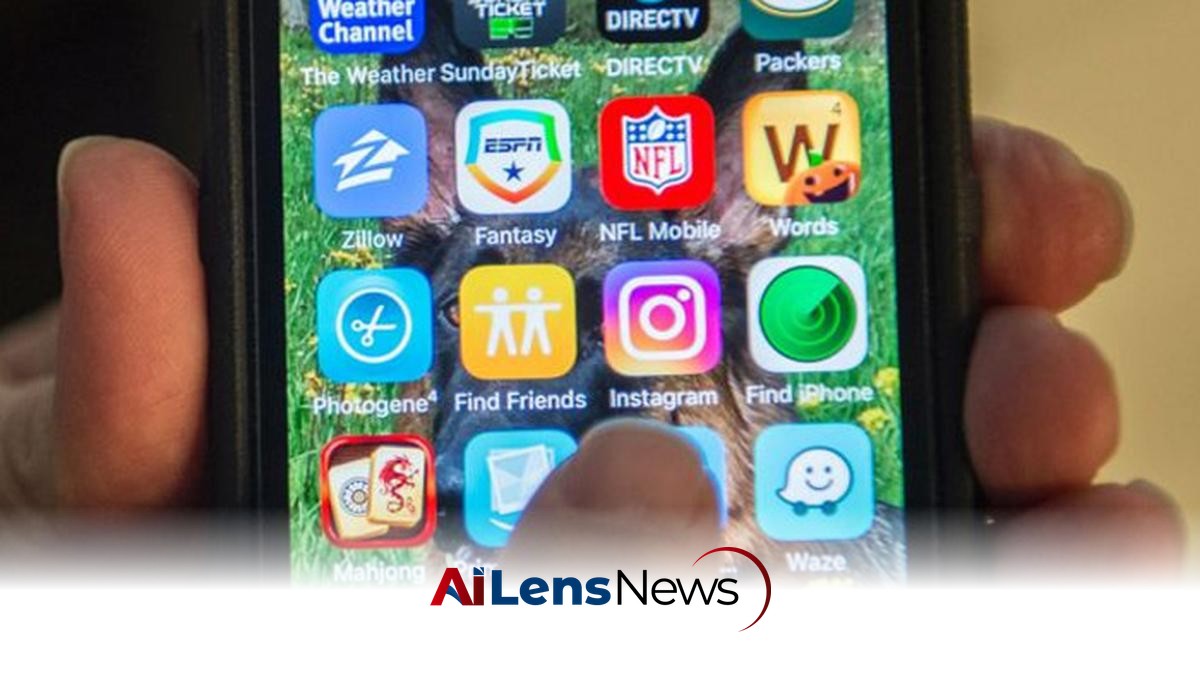


A new report reveals that global advertisers spent over $240 billion on mobile ads last year, highlighting a significant shift towards digital marketing.
Chandigarh, India Apr 12, 2021 ALN: With smartphone apps becoming a dynamic digital space, advertisers spent over $240 billion on mobile ads in 2021, according to app analytics firm App Annie. This substantial investment reflects a broader trend in consumer behavior and technological advancement that has transformed how brands interact with their audiences. The rise of mobile advertising has been fueled by a confluence of factors including increased smartphone penetration, the proliferation of mobile applications, and the changing habits of consumers who are now spending more time on their devices than ever before.
The average time spent by users worldwide on smartphones was 4.2 hours a day in the first three months of 2021, marking a 30% increase from the same period in 2019. This increase can be attributed to several factors, including the global shift towards remote work and digital communication spurred by the COVID-19 pandemic. As people sought to stay connected, entertained, and informed, mobile devices became indispensable tools for daily life. Notably, India recorded the most significant surge, with consumers spending 80% more time in smartphone apps compared to 2019, highlighting the rapid digital adoption in emerging markets. This trend underscores the growing reliance on mobile technology, particularly in regions where internet access is becoming more widespread.
Despite a 4.2% decline in the global advertising market last year due to the pandemic, traditional marketing revenue from print, radio, and out-of-home advertising saw a decrease of more than 18%. This decline underscores the challenges faced by traditional media outlets, which have struggled to adapt to the changing landscape and the increasing preference for digital platforms. In contrast, digital advertising experienced an 8% growth, creating a lucrative market for brands, as noted by media research agency MAGNA. This growth is indicative of a paradigm shift in advertising strategies, where brands are reallocating their budgets to prioritize digital channels that offer more measurable and targeted outreach. The transition from traditional to digital advertising is not merely a trend but a fundamental change in how businesses connect with consumers.
Looking ahead, advertisers globally are estimated to spend $290 billion this year, according to App Annie. This projected increase reflects the ongoing evolution of digital marketing, as brands continue to invest in mobile advertising to reach consumers where they are most engaged. However, the landscape is becoming increasingly complex due to privacy concerns and regulatory changes. With Apple's new IDFA (Identifier for Advertisers) strategy, which requires apps to obtain user consent for tracking, 9 out of 10 iOS users are likely to decline opt-in for user tracking. This shift in consumer behavior poses significant challenges for advertisers who rely on personalized data to target their campaigns effectively. The ramifications of these changes are profound, as advertisers must now navigate a landscape where traditional methods of data collection and user targeting are being fundamentally altered.
The implications of these changes are profound. As advertisers face a potential reduction in the effectiveness of targeted ads, they are being prompted to explore alternative methods for reaching users. This could include a greater emphasis on contextual advertising, which focuses on placing ads in relevant content rather than relying on user data. Additionally, brands may need to invest more in building direct relationships with their customers through loyalty programs, email marketing, and engaging content that fosters community. This shift towards building direct relationships aligns with a broader trend in consumer expectations, where individuals increasingly value authenticity and connection over impersonal advertising techniques.
Furthermore, the rise of privacy-conscious consumers is leading to a broader discussion about data ethics and transparency in advertising. Brands that prioritize ethical practices and respect user privacy may gain a competitive advantage as consumers become more discerning about how their data is used. This could lead to a new era of advertising where trust and brand integrity play a crucial role in consumer decision-making. As consumers become more aware of their data rights and the implications of data usage, brands that can demonstrate a commitment to ethical advertising practices will likely foster greater loyalty and trust among their audiences.
The mobile advertising ecosystem is also witnessing the emergence of new technologies and platforms that can enhance ad delivery and measurement. Innovations such as artificial intelligence and machine learning are being leveraged to optimize ad campaigns and improve targeting capabilities, even in a more restrictive privacy environment. Advertisers are increasingly looking towards these technologies to help navigate the complexities of the digital landscape. These advancements not only improve the efficiency of ad campaigns but also provide valuable insights into consumer behavior, allowing brands to refine their strategies and better meet the needs of their audiences.
Moreover, social media platforms continue to dominate the mobile advertising space, with companies like Facebook and Instagram providing robust tools for advertisers to reach their audiences effectively. The integration of shopping features within these platforms has further blurred the lines between content and commerce, allowing brands to create seamless shopping experiences directly within social media apps. This trend has transformed how consumers engage with brands, as they can now discover and purchase products without leaving their favorite social media platforms, thereby enhancing the overall customer journey.
As we move further into 2022 and beyond, the mobile advertising landscape will likely continue to evolve rapidly. Brands must stay agile and adapt to the changing preferences of consumers while navigating the challenges posed by privacy regulations and technological advancements. The ability to innovate and find new ways to connect with audiences will be critical for success in this dynamic environment. As the digital landscape becomes more competitive, brands will need to leverage data-driven insights and creative storytelling to capture the attention of consumers who are inundated with advertising messages.
In conclusion, the $240 billion spent on mobile advertising in 2021 is a testament to the growing importance of mobile platforms in the advertising ecosystem. As advertisers look to the future, they will need to embrace new strategies and technologies to effectively engage consumers in an increasingly complex digital landscape. The ongoing shifts in consumer behavior, privacy regulations, and technological advancements will shape the future of mobile advertising, making it essential for brands to remain informed and adaptable in their marketing approaches. The interplay between innovation, consumer expectations, and regulatory frameworks will define the next chapter of mobile advertising, and brands that can navigate these challenges will position themselves for success in the years to come.
To learn more about the latest developments in Corporate & Industry Insights, stay updated with our exclusive reports and analyses on AiLensNews.

