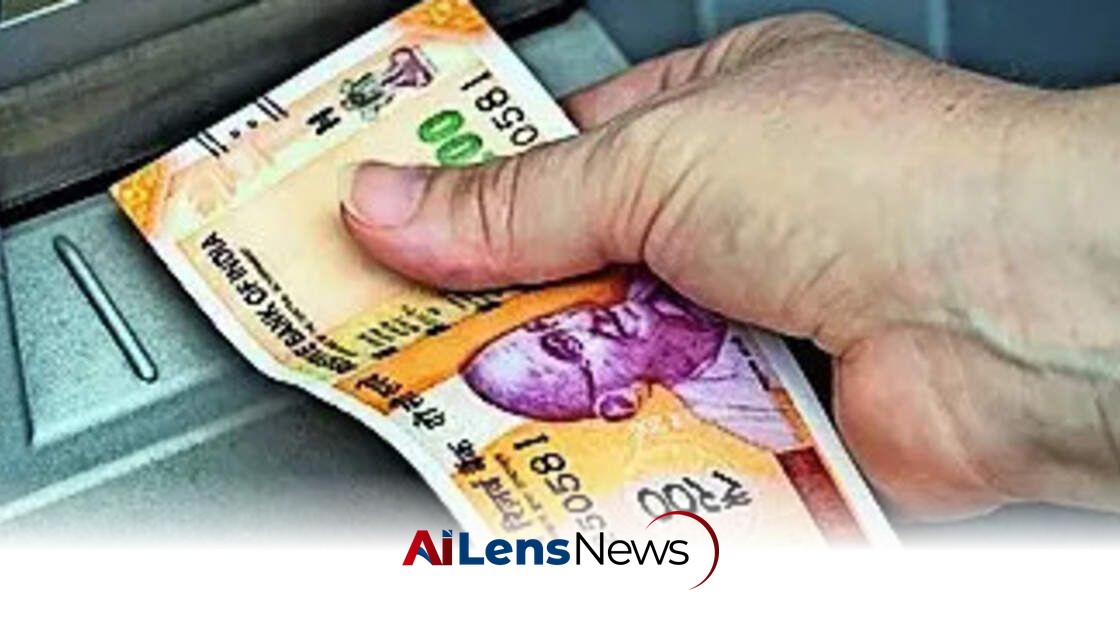


Public sector banks are set to modernize their ATM networks by replacing traditional dispensers with cash recyclers, addressing recurring cash shortages in smaller cities.
New Delhi, India Jul 13, 2026 ALN: Public sector banks (PSBs) are accelerating plans to modernize their automated teller machine (ATM) networks by replacing aging cash dispensers with cash recyclers, as recurring cash shortages in tier-2 and tier-3 centers expose the limitations of legacy infrastructure.
More than 15,000 ATM units are expected to come up for request for proposals (RFPs) for cash recyclers, with nearly 77% of these belonging to PSBs, according to industry executives. Punjab National Bank, Union Bank of India, and Bank of India are among the lenders expected to issue recycler RFPs.
Cash recyclers are machines that both dispense and accept cash, enabling banks to reuse deposited currency for withdrawals. This reduces cash replenishment costs, improves machine uptime, and lowers operational expenses. The shift to cash recyclers is significant not just for the banks, but also for customers who rely on these machines for their day-to-day banking needs.
"The recent cash shortages have highlighted the need for banks, particularly public sector lenders, to modernize their ATM infrastructure. A large part of the PSB ATM estate still consists of traditional cash dispensers that require frequent replenishment and manual intervention," said a senior PSB executive, who did not wish to be identified.
The urgency is more pronounced for public sector banks that continue to manage a large portion of their ATM networks in-house. Around 90,000 on-site ATMs operated by PSBs are yet to be outsourced, making them more vulnerable to operational disruptions and cash management challenges, according to industry executives. This in-house management approach, while historically favored, has become less sustainable in the face of rising operational costs and the need for technological advancements.
Four key factors are driving the outsourcing wave, they said. Regulators have been encouraging banks to focus on core banking operations while partnering with specialist firms for non-core activities. This regulatory push aims to enhance efficiency and allow banks to allocate more resources toward their primary banking functions. At the same time, escalating employee costs, tighter compliance requirements, and increasing technology investments have made in-house ATM management less viable. These factors are compelling banks to reconsider their operational strategies and seek partnerships that can provide specialized expertise.
Banks are also increasingly relying on integrated managed service providers that offer higher ATM uptime, faster cash replenishment, real-time monitoring, and software capabilities that transform ATMs into customer engagement platforms rather than merely cash dispensing points. This evolution of ATMs into more interactive platforms reflects a broader trend in the banking industry toward enhancing customer experience and leveraging technology to meet changing consumer expectations.
"Cash recyclers are rapidly replacing conventional ATMs across India's banking network. As banks accelerate this upgrade cycle, demand for specialized partners to deploy, maintain, and optimize these machines is rising steadily," a senior executive of an ATM company said on condition of anonymity.
India's installed ATM base has expanded to about 246,000 from about 221,000 in 2018-19 and is projected to reach about 275,000 by 2029-30. This growth trajectory underscores the increasing reliance on ATMs for banking services, especially in regions where access to bank branches is limited. However, the outsourced ATM base—machines managed by third-party service providers—is expected to witness faster growth, increasing to nearly 170,000 by 2029-30 from about 120,000 as of September 2025. This shift indicates a significant transformation in how banks are managing their ATM networks, moving towards a model that emphasizes efficiency and customer service.
The transition to cash recyclers is not merely a response to current cash management challenges; it also represents a strategic pivot towards embracing technology that can enhance operational efficiency. Cash recyclers, by their design, help mitigate the risks associated with cash shortages, particularly in smaller towns and rural areas where banking infrastructure may not be as robust. By enabling banks to recycle cash, these machines can help maintain liquidity and ensure that customers have access to funds when they need them.
Moreover, the implications of this transition extend beyond operational efficiencies. As PSBs modernize their ATM infrastructure, they are also addressing the growing demand for digital and cashless banking solutions. In a country where a significant portion of the population still relies on cash transactions, the introduction of cash recyclers can play a crucial role in bridging the gap between traditional banking practices and the increasing push for digital financial services.
In addition, the modernization of ATM networks through the adoption of cash recyclers aligns with the broader goals of financial inclusion and accessibility. By ensuring that ATMs are consistently stocked with cash, banks can better serve underserved communities, reducing the incidence of cash shortages that can hinder activity in these areas. This is particularly important in the context of India's diverse economy, where small businesses and daily wage earners often depend on cash for their transactions.
As the banking sector continues to evolve, the integration of advanced technologies like cash recyclers will likely play a pivotal role in shaping the future of banking in India. The ability to manage cash more effectively, coupled with the enhanced customer experience offered by modern ATMs, positions public sector banks to better meet the needs of their customers while also navigating the complexities of a rapidly changing financial landscape.
In conclusion, the transition to cash recyclers represents a significant step forward for public sector banks in India. By addressing the operational challenges posed by traditional cash dispensers and embracing modern technology, these banks are not only improving their ATM networks but also enhancing the overall banking experience for their customers. As the demand for efficient and reliable banking services continues to grow, the shift towards cash recyclers will likely be a key component of the banking industry's ongoing modernization efforts.
To learn more about the latest developments in Corporate & Industry Insights, stay updated with our exclusive reports and analyses on AiLensNews.

