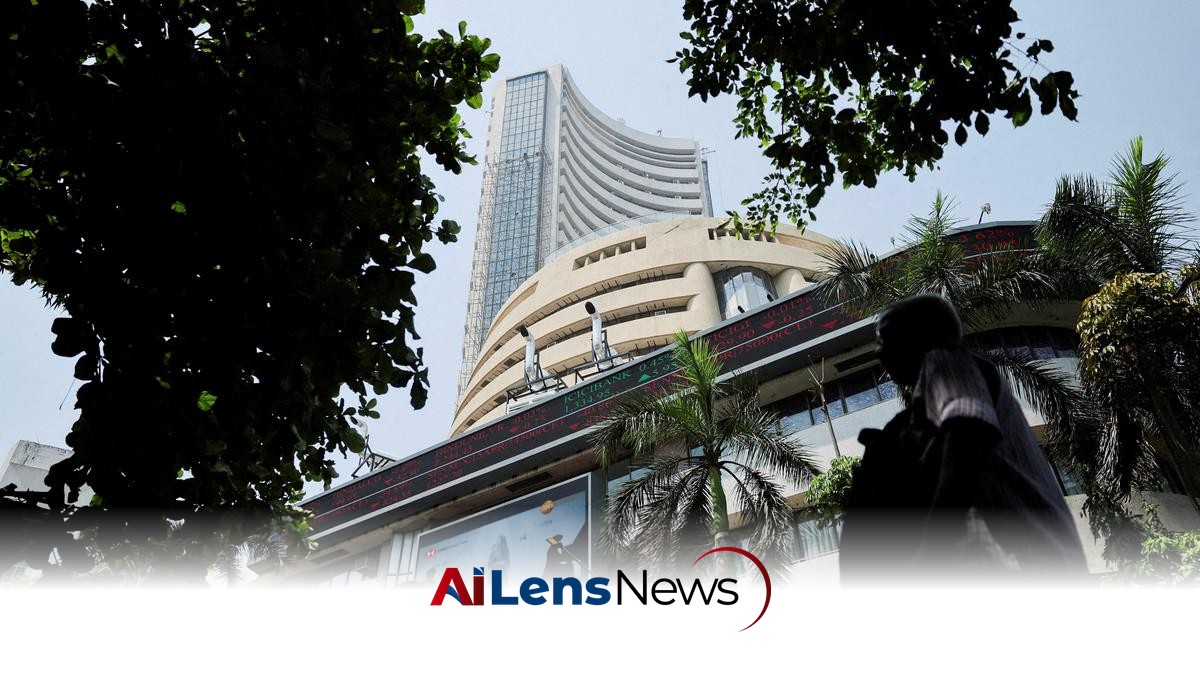


Markets closed higher, driven by bank stocks, despite U.S.-Iran tensions affecting investor sentiment and prompting profit-taking.
New Delhi, India Jul 16, 2026 ALN: Market benchmark indices Sensex and Nifty ended higher on Wednesday, bouncing back from the previous session's sharp decline. The rally was led by bank stocks and supported by softer-than-expected U.S. inflation data, which reinforced expectations that the Federal Reserve may adopt a less aggressive monetary policy stance in the coming months. This shift in monetary policy is significant as it can influence interest rates, borrowing costs, and ultimately consumer spending and investment, all of which are critical for economic growth.
However, escalating hostilities between the U.S. and Iran kept investor sentiment subdued in the latter half of the trading session, triggering profit-taking. The geopolitical tensions have historically been a source of volatility in global markets, as investors often react to news that might affect oil prices, trade relations, and overall economic stability. The U.S.-Iran relationship has been fraught with tension for decades, often impacting global oil supply and prices, which are critical to economies worldwide.
The 30-share BSE Sensex climbed 130.49 points, or 0.17%, to settle at 77,185.43. During the day, it jumped as much as 591.33 points, or 0.76%, reaching 77,646.27. This fluctuation highlights the market's sensitivity to both domestic and international news, as well as the potential for rapid shifts in investor sentiment. The 50-share NSE Nifty increased by 26.45 points, or 0.11%, to end at 24,078.50, reflecting a similar pattern of recovery. The performance of these indices is closely monitored by investors and analysts, as they serve as barometers for the overall health of the Indian economy.
Among the Sensex pack, notable winners included Eternal, UltraTech Cement, State Bank of India, Bajaj Finance, InterGlobe Aviation, and Asian Paints. These companies have shown resilience and strength in their respective sectors, contributing to the overall market rally. For instance, the banking sector has been buoyed by expectations of lower interest rates, which can enhance profitability through increased lending. Conversely, Power Grid, Larsen & Toubro, Tata Steel, and Infosys were among the laggards, indicating that not all sectors are performing equally well in the current economic climate. The performance of individual stocks can signal underlying trends in the economy, such as demand for infrastructure, technology, and consumer goods, and can provide insights into the sectors that might need more attention from investors.
In Asian markets, South Korea's Kospi surged by 6.24%. Japan's Nikkei 225 index and Hong Kong's Hang Seng index also ended higher, while Shanghai's SSE Composite index settled lower. The varied performance across these indices reflects the diverse economic conditions and investor sentiments in different Asian markets. For instance, South Korea's strong performance may be attributed to positive domestic economic data or corporate earnings, while the decline in Shanghai could relate to concerns about regulatory actions or economic growth prospects in China. The interconnectedness of Asian economies means that developments in one country can have ripple effects across the region, influencing investor behavior and market dynamics.
Markets in Europe were quoting lower, while U.S. markets ended higher on Tuesday. Vinod Nair, Head of Research at Geojit Investments Ltd, noted, "Domestic equities exhibited resilience, with broader markets outperforming large caps amid positive Asian cues." Softer U.S. inflation data further supported market sentiment, suggesting that inflationary pressures might be easing, which could lead to a more favorable environment for equities. The interplay between U.S. economic indicators and global market performance is crucial, as many economies are interconnected through trade and investment. Investors often look to U.S. economic data as a leading indicator for global trends, making it imperative for market participants to stay apprised of developments in the U.S. economy.
Brent crude, the global oil benchmark, increased by 0.90% to $85.50 per barrel. Fluctuations in oil prices are closely monitored by investors, as they can have significant implications for inflation and economic growth. Rising oil prices can lead to increased costs for consumers and es, potentially slowing down economic activity. Conversely, lower oil prices can provide relief to consumers and stimulate spending. The relationship between oil prices and economic performance is particularly pronounced in economies that are heavily reliant on energy imports or exports, making it a critical variable for policymakers and investors alike.
Foreign Institutional Investors (FIIs) offloaded equities worth ₹739.69 crore on Tuesday, according to exchange data. This activity indicates a cautious approach from foreign investors, who may be reacting to geopolitical tensions or seeking to lock in profits after a period of gains. The movement of FIIs is a critical indicator of investor confidence and can significantly influence market trends in India. A sustained outflow of foreign investment can lead to increased volatility in the markets, as domestic investors may react to the perceived lack of confidence from foreign players.
On the previous day, the Sensex had tanked 561.46 points, or 0.72%, settling at 77,054.94, while the Nifty dropped 158.95 points, or 0.66%, to end at 24,052.05. This sharp decline underscores the volatility that can occur in response to news events, both domestic and international. Investors often reassess their positions in light of new information, leading to rapid changes in market dynamics. The ability to navigate these fluctuations requires a keen understanding of market signals and an ability to react swiftly to emerging trends.
Overall, the interplay between domestic economic indicators, global market trends, and geopolitical developments continues to shape the landscape for investors. As the situation unfolds, market participants will be closely watching for signs of stability or further volatility, particularly in the context of U.S.-Iran relations and its potential impact on global oil prices and economic conditions. The ramifications of these factors can extend beyond immediate market performance, influencing long-term investment strategies and economic policies.
In conclusion, while the market showed resilience on Wednesday, the underlying factors that influence investor sentiment remain complex and multifaceted. The ability of markets to navigate these challenges will depend on a variety of factors, including monetary policy decisions, geopolitical developments, and the overall health of the global economy. Investors are urged to stay informed and consider both the risks and opportunities in this dynamic environment. As they assess their portfolios, understanding the broader economic context will be essential for making informed decisions in an ever-evolving market landscape.
To learn more about the latest developments in Markets, stay updated with our exclusive reports and analyses on AiLensNews.

