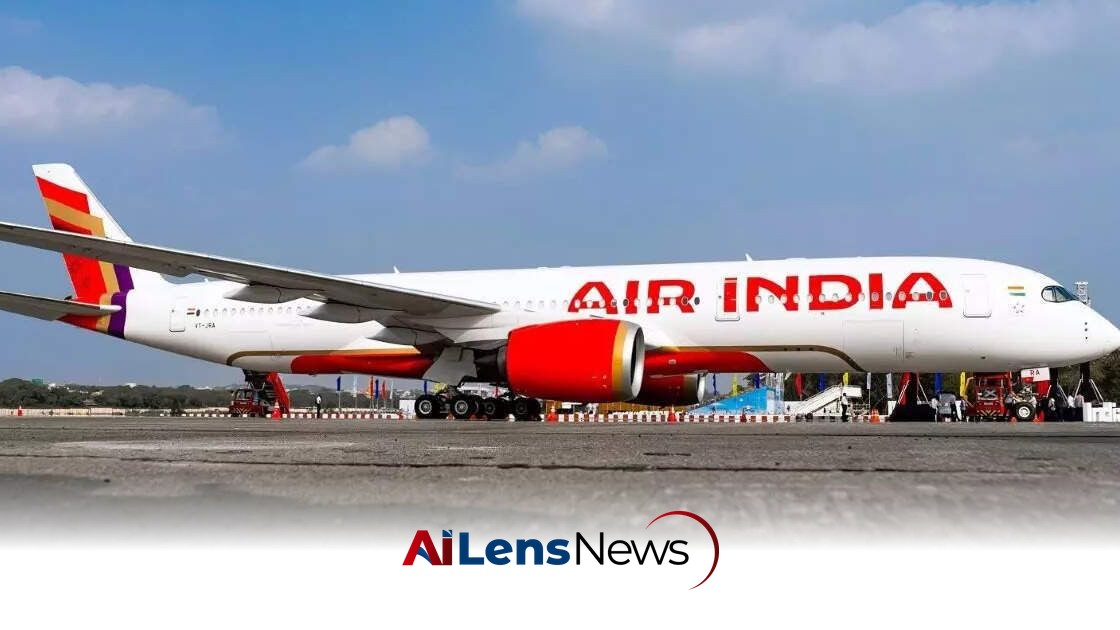


Air India's provisional loss for the first quarter of FY27 is projected to exceed ₹1,200 crore due to high fuel costs and airspace closures. Singapore Airlines reported a net loss from its stake in Air India, but both SIA and Tata Sons remain committed to the airline's long-term transformation.
New Delhi, India Jul 29, 2026 ALN: New Delhi: Air India is grappling with a provisional loss exceeding ₹1,200 crore for the first quarter of FY27, as reported by Singapore Airlines (SIA), which has incurred a net loss of ₹311.78 crore from its 25.1% stake in the airline.
The financial strain on Air India is attributed to soaring fuel costs and the prolonged closure of Pakistani airspace, which has significantly impacted operations. In contrast, Air India's main competitor, IndiGo, reported a loss of ₹382 crore during the same period. This loss is indicative of the intense competition within the Indian aviation sector, where airlines are struggling to maintain profitability amid rising operational costs.
The airline's losses come amid an aggressive expansion strategy, with plans to add 770 aircraft from Airbus and Boeing over the next two years. This ambitious plan is part of a broader strategy to modernize the fleet and enhance service offerings. However, external factors have complicated the path to profitability. High aviation turbine fuel prices, which constitute nearly 40% of operational costs, have surged due to geopolitical tensions, particularly the US-Iran conflict. This spike has disproportionately affected Air India, which operates numerous wide-body jets on long-haul international routes where fuel consumption is notably higher.
The closure of Pakistani airspace has further exacerbated the situation. This airspace has been a critical transit route for many airlines operating in the region. The restrictions have forced Air India to reroute flights, leading to longer travel and increased operational costs. These challenges have been compounded by the ongoing recovery from the COVID-19 pandemic, which had already strained the airline's finances.
Additionally, the Indian aviation market has been marked by fierce competition, with low-cost carriers like IndiGo dominating the domestic space. The competitive landscape has made it challenging for legacy carriers like Air India to maintain their market share and profitability. The rise of budget airlines has led to a price war, further squeezing margins and making it difficult for full-service carriers to sustain their traditional business models.
Despite the financial setbacks, SIA and Tata Sons have reaffirmed their commitment to Air India's long-term success. They are collaborating on a multi-year transformation program aimed at revitalizing the airline. This program encompasses various aspects, including fleet modernization, improving customer service, and enhancing operational efficiency. The aim is to position Air India as a competitive player in both domestic and international markets.
Tata Sons chairman N Chandrasekaran has indicated that a complete turnaround for Air India could take up to a decade. The airline reported a staggering net loss of ₹22,238 crore in FY26, highlighting the scale of the challenges ahead. This figure underscores the need for a sustained and strategic approach to restructuring and revitalizing the airline.
The transformation program is not merely about financial recovery; it is also about restoring the brand's reputation. Air India, once known for its service quality and hospitality, has faced criticism in recent years over service delays, cancellations, and customer service issues. Addressing these concerns is vital for regaining customer trust and loyalty. The airline's management acknowledges that improving customer experience is paramount and has initiated training programs for staff, alongside technology upgrades to streamline operations.
As Air India navigates these turbulent waters, the focus remains on scaling operations to reduce unit costs and ultimately achieve profitability. The commitment from both SIA and Tata Sons is crucial as the airline seeks to overcome these hurdles and establish a sustainable business model. This involves not only strategic fleet expansion but also investing in technology and systems that enhance operational efficiency.
Moreover, as the global aviation industry continues to recover from the effects of the pandemic, there is a growing emphasis on sustainability. Air India will need to align its expansion plans with environmental considerations, adopting more fuel-efficient aircraft and practices that minimize its carbon footprint. This shift is increasingly important to travelers who are becoming more environmentally conscious and may influence their airline choices. The airline's strategy includes evaluating its fleet for newer, greener technologies that can reduce emissions and operational costs.
In summary, while Air India faces significant financial challenges, the ongoing support from its stakeholders and strategic expansion plans may pave the way for future recovery. The road ahead will not be easy, but with a clear vision and commitment to transformation, Air India has the potential to reclaim its position as a leading airline in the competitive landscape of Indian aviation.
As the airline industry evolves, Air India's ability to adapt to changing market dynamics, consumer preferences, and operational challenges will be critical. Stakeholders will be closely monitoring the airline's progress as it implements its transformation strategy, and the coming months will be pivotal in determining whether Air India can emerge from its current financial difficulties and return to profitability.
In conclusion, the challenges faced by Air India are multifaceted, involving external pressures and internal operational inefficiencies. However, with a robust commitment to transformation and strategic investments in its future, there is a glimmer of hope for the airline's recovery and long-term success in the Indian aviation market. The response to these challenges will not only shape Air India's future but also have broader implications for the Indian aviation sector as a whole, influencing market dynamics, competition, and consumer choice in the years to come.
To learn more about the latest developments in Corporate & Industry Insights, stay updated with our exclusive reports and analyses on AiLensNews.

