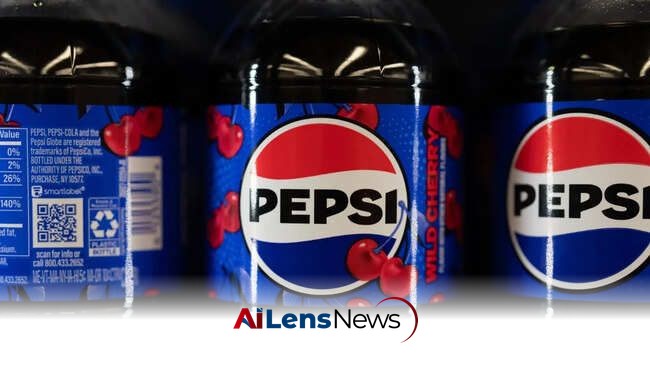


PepsiCo reported strong second-quarter revenue, exceeding analyst expectations. Healthier product demand helped offset softer North America food sales during the period.
New Delhi, India Jul 9, 2026 ALN: PepsiCo, one of the largest food and beverage companies in the world, has reported a stronger-than-expected financial performance for the second quarter of the fiscal year. The company’s revenue reached $24.18 billion, marking a 6.4% increase compared to the same period last year. This figure exceeded analysts' expectations, which had predicted revenue of approximately $23.95 billion. Additionally, PepsiCo's core earnings per share rose to $2.20, up from $2.12 a year earlier, reflecting the company's ability to navigate a challenging market environment.
One of the key drivers behind this positive financial outcome was the growing demand for health-focused products. PepsiCo has seen a notable increase in sales of prebiotic sodas, zero-sugar beverages, and protein-rich snacks. These products have resonated with consumers who are increasingly health-conscious and looking for alternatives to traditional sugary snacks and drinks. The shift towards healthier options is part of a broader trend in the food and beverage industry, where consumers are becoming more selective about their purchases, often opting for items that align with their health and wellness goals.
This trend towards health and wellness has been gaining momentum over the past decade, as consumers have become more aware of the impact of their dietary choices on overall health. Factors such as increased access to information about nutrition, heightened awareness of health issues, and the influence of social media have all contributed to a more informed consumer base that prioritizes healthy eating. In response, PepsiCo has invested in the development of new products that cater to these preferences, including plant-based snacks and beverages with added functional benefits.
Despite the overall positive performance, PepsiCo did face challenges in its North American food sales, which fell by approximately 2% during the quarter. This decline can be attributed to the company's strategic decision to cut prices on popular brands such as Lay's and Doritos. The aim was to attract budget-conscious shoppers who have been shifting towards lower-priced alternatives and smaller pack sizes in response to ongoing inflationary pressures. This trend highlights a significant shift in consumer behavior, as many individuals and families are adjusting their spending habits due to rising costs of living, including food prices.
CEO Ramon Laguarta addressed these challenges in prepared remarks, noting that the results were affected by a moderation in the U.S. food and beverage category performance. He emphasized that consumer budgets are tightening due to rising inflation, which has impacted purchasing decisions across the board. The inflationary environment has been characterized by increased prices for various goods, including food, fuel, and housing, leading consumers to make more cautious choices when it comes to spending.
As a result, PepsiCo is focusing on maintaining relevance in a competitive market where consumers are increasingly discerning about their spending. The company is not only adapting its product offerings but also enhancing its marketing strategies to communicate the value and quality of its products effectively. This includes emphasizing the health benefits of its new product lines and the importance of value for money in a time of uncertainty.
Analyst Suzy Davidkhanian from eMarketer provided further insight into the current market dynamics, stating that while consumers are still spending, they are doing so with greater intention. They expect brands to evolve and provide more choices that align with their preferences. This expectation places pressure on established brands like PepsiCo to innovate and adapt their product offerings to meet changing consumer demands. The competitive landscape is further complicated by the emergence of new entrants in the market, including smaller, niche brands that cater specifically to health-conscious consumers.
In response to these market challenges, PepsiCo has reiterated its fiscal guidance for 2026. The company is forecasting organic revenue growth of 2% to 4%, alongside core constant-currency earnings per share growth of 4% to 6%. These projections indicate that PepsiCo is confident in its ability to sustain growth despite the headwinds it faces. The company's focus on innovation, particularly in the health and wellness sector, is expected to play a crucial role in achieving these growth targets.
However, the company has also issued a warning regarding potential input cost inflation in the latter half of the year. Chief Financial Officer Steve Schmitt pointed out that while higher input costs are expected, the company has strategies in place to mitigate these challenges. Refund claims for tariffs paid in the previous year, along with productivity savings, are expected to help cushion the financial impact of rising costs. This proactive approach demonstrates PepsiCo's commitment to maintaining profitability while navigating a complex landscape.
The broader context of PepsiCo’s performance reflects ongoing trends within the food and beverage industry, particularly in relation to consumer preferences and conditions. The rise in health-focused products is not just a fleeting trend; it represents a fundamental shift in how consumers approach their diets and lifestyle choices. Companies across the industry are responding by reformulating existing products, introducing new offerings, and investing in marketing strategies that emphasize health and wellness. This shift is evident in the increasing number of products that highlight organic ingredients, reduced sugar content, and added nutrients.
As inflation continues to affect consumer spending, companies like PepsiCo will need to remain agile and responsive to market changes. The ability to balance price competitiveness with product innovation will be crucial for sustaining growth and maintaining market share. Additionally, the emphasis on sustainability and ethical sourcing is becoming increasingly important to consumers, further complicating the landscape for food and beverage companies. Consumers are not only looking for healthier options but are also concerned about the environmental impact of their purchases, leading to a demand for transparency in sourcing and production practices.
In conclusion, PepsiCo's second-quarter results illustrate the complexities of operating in a dynamic market characterized by shifting consumer preferences and challenges. The company’s focus on health-oriented products has positioned it well to capitalize on current trends, while its strategic pricing adjustments aim to retain customer loyalty amidst tightening budgets. As PepsiCo navigates the second half of the year, its ability to adapt to ongoing challenges will be critical in sustaining its growth trajectory and meeting shareholder expectations. The company’s performance serves as a case study for others in the industry, highlighting the importance of innovation, consumer awareness, and strategic pricing in achieving success in a competitive market environment.
To learn more about the latest developments in Corporate & Industry Insights, stay updated with our exclusive reports and analyses on AiLensNews.

