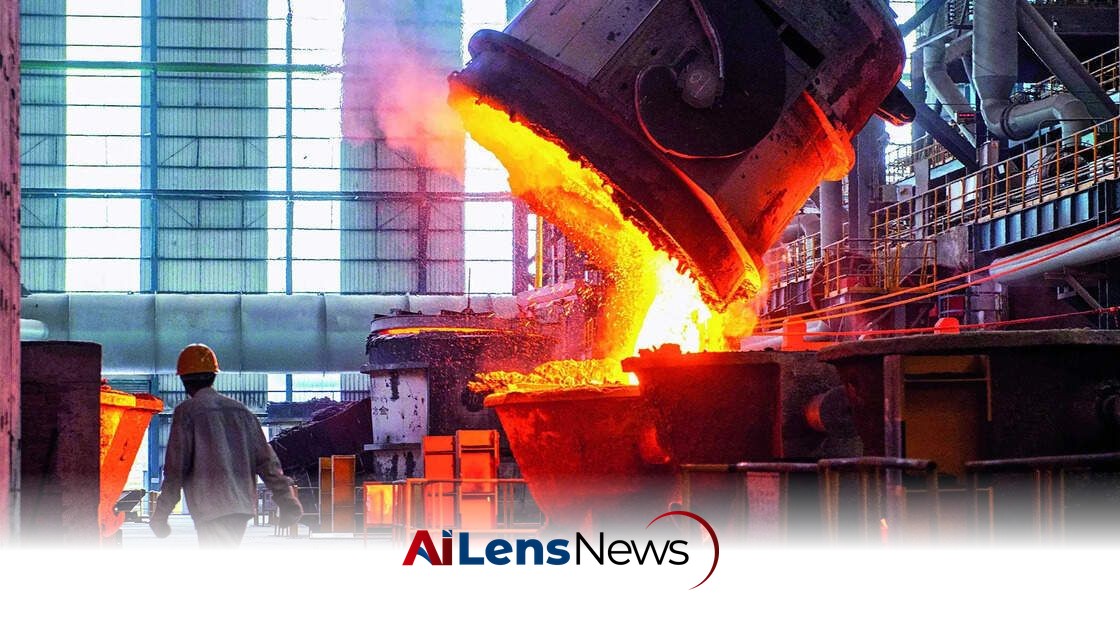


Dutch prosecutors have initiated criminal proceedings against Tata Steel IJmuiden for illegally releasing harmful substances into the environment, following a 2022 investigation prompted by over 800 complaints.
New Delhi, India Jul 9, 2026 ALN: Amsterdam: Dutch prosecutors have launched criminal proceedings against the Dutch arm of Tata Steel, accusing the company of deliberately and illegally releasing harmful substances into the environment, potentially endangering public health. This legal action underscores a growing concern regarding industrial pollution and its impact on communities, particularly in regions where heavy manufacturing is prevalent.
The Dutch public prosecutor's office stated that it suspects Tata Steel IJmuiden of multiple criminal offenses, including the intentional discharge of hazardous substances into the atmosphere and failing in its duty of care. These allegations are particularly serious given the potential ramifications for both the environment and the health of residents living near the steel production facility. The implications of such actions could be profound, as they not only threaten local ecosystems but also pose significant risks to human health, particularly for vulnerable populations such as children and the elderly.
This case stems from a criminal investigation initiated in 2022 after a complaint was filed by a lawyer representing more than 800 individuals. These individuals, likely residents of the surrounding areas, have raised concerns about the environmental impacts of the Tata Steel operations. The complaint reflects a broader trend where communities are increasingly holding corporations accountable for environmental degradation and health risks associated with industrial activities. This shift in accountability is indicative of a growing awareness among the public regarding the importance of corporate responsibility in environmental stewardship.
Prosecutors indicated that the probe into the steel production process and the operation of Tata Steel's coke oven gas plants found sufficient evidence to take the company to court. Coke oven gas is a byproduct of the coking process, which is essential in steel manufacturing. However, if not managed correctly, it can release harmful pollutants, including volatile organic compounds and particulate matter, contributing to air quality issues. The presence of such pollutants in the atmosphere can lead to a range of health problems, including respiratory illnesses, cardiovascular diseases, and other serious conditions that can affect the quality of life for residents in the vicinity.
Authorities allege that the company failed to carry out adequate maintenance, operated certain facilities without authorization, and did not report several incidents involving raw coke, a coal-derived fuel used in blast furnaces to produce steel. The failure to maintain equipment and properly manage hazardous substances raises questions about the company's commitment to environmental safety and regulatory compliance. Such negligence could lead to serious environmental consequences, including soil and water contamination, as well as air pollution that can affect the health of local populations. The ramifications of these alleged actions extend beyond immediate health concerns, potentially impacting local wildlife and ecosystems, which are crucial for maintaining biodiversity.
Tata Steel IJmuiden has expressed that it takes the concerns and criticism seriously and will continue implementing improvement measures. The company stated that it is working to minimize the production of under-baked coke, while noting that occasional incomplete baking is "technically inevitable." This admission highlights the challenges faced by steel manufacturers in balancing operational efficiency with environmental responsibility. Nevertheless, the notion that incomplete baking is unavoidable raises concerns about the adequacy of the company's operational practices and whether they are sufficient to protect public health and the environment. The acknowledgment of operational challenges does not absolve the company from its responsibilities, and many stakeholders will be watching closely to see how Tata Steel addresses these issues moving forward.
Additionally, Tata Steel argued that pursuing criminal proceedings over a limited number of past incidents may not be valuable, as these issues have already been addressed through technical improvements. This perspective reflects a common defense employed by companies facing legal scrutiny, suggesting that they are proactively working to rectify past mistakes. However, the effectiveness of these improvements may be questioned if the underlying issues that led to the alleged offenses are not fully resolved. The ongoing scrutiny of the company’s practices may compel Tata Steel to adopt more rigorous environmental management systems to prevent future violations.
Separately, Dutch prosecutors have indicated that they are investigating whether individuals in management positions could face personal criminal liability. This aspect of the investigation is particularly significant as it may set a precedent for holding corporate executives accountable for environmental violations. The potential for personal liability could encourage more stringent compliance with environmental regulations within the industry and serve as a deterrent against future violations. By targeting individuals in positions of authority, prosecutors may aim to foster a culture of accountability that extends throughout corporate hierarchies, emphasizing that environmental responsibility is a shared obligation.
A preliminary hearing has been scheduled for November 20 in the Amsterdam District Court. This hearing will likely serve as an important milestone in the legal proceedings, providing an opportunity for both the prosecution and defense to present their arguments. The outcome of this case may have broader implications for Tata Steel and similar companies operating in the Netherlands and beyond, particularly regarding corporate accountability for environmental practices. Legal experts and environmental advocates will be closely monitoring the proceedings, as the ruling could influence future actions by regulators and set a benchmark for environmental compliance across industries.
In recent years, there has been an increasing emphasis on environmental protection and sustainability within the European Union, with stricter regulations being imposed on industries that are major sources of pollution. The case against Tata Steel IJmuiden reflects this shift and highlights the role of legal frameworks in enforcing environmental standards. It also illustrates the growing power of communities to challenge industrial practices that threaten their health and well-being. The legal actions taken by the Dutch prosecutors may inspire similar movements in other regions, encouraging communities to advocate for their rights and demand accountability from corporations.
The situation at Tata Steel IJmuiden is emblematic of the tensions that often arise between industrial activity and environmental stewardship. As the world grapples with the consequences of climate change and environmental degradation, the outcomes of such legal actions will be closely monitored by stakeholders across various sectors, including environmental advocacy groups, industry representatives, and policymakers. The case serves as a reminder that industrial growth must be balanced with ecological preservation, and that sustainable practices are essential for the long-term health of both communities and the planet.
Ultimately, the legal proceedings against Tata Steel IJmuiden serve as a reminder of the critical importance of corporate responsibility in safeguarding public health and the environment. As the case unfolds, it will be essential to observe how the judiciary navigates the complexities of industrial regulation, corporate accountability, and the rights of affected communities. The implications of this case could resonate far beyond the borders of the Netherlands, influencing how industries worldwide approach environmental compliance and community relations. The outcome may not only shape the future of Tata Steel but also set a precedent for corporate behavior in the face of increasing public demand for transparency and accountability in environmental matters.
To learn more about the latest developments in Corporate & Industry Insights, stay updated with our exclusive reports and analyses on AiLensNews.

