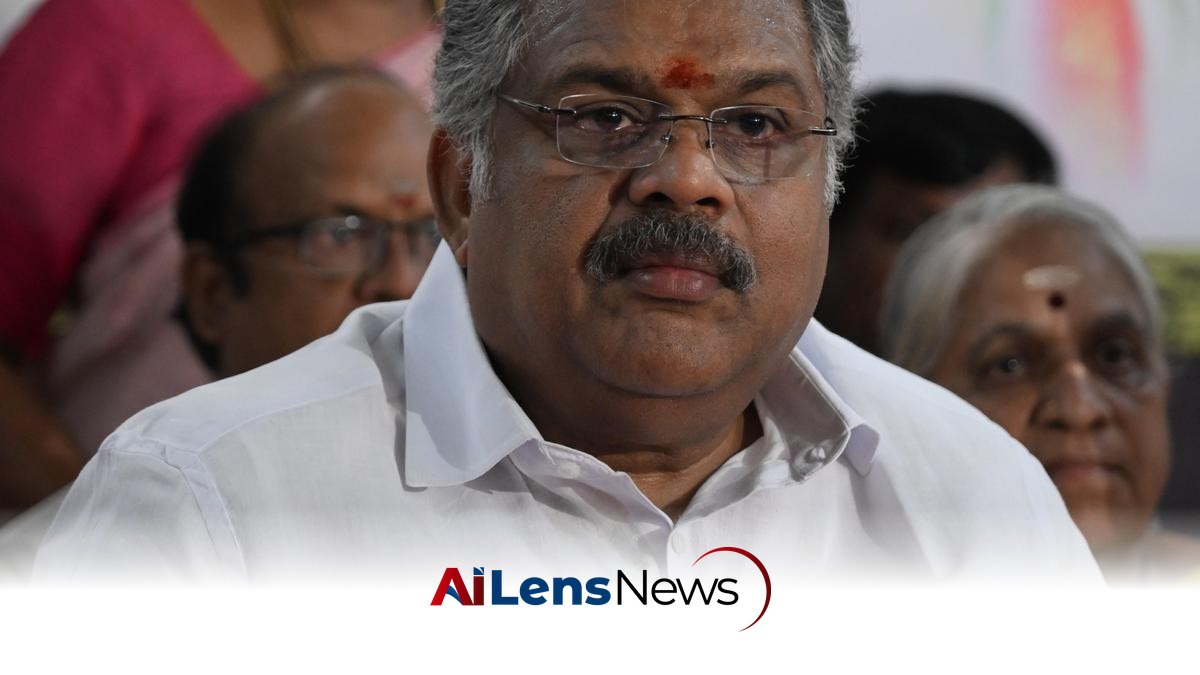


G.K. Vasan urges against politicising job offers to families affected by the Karur stampede, emphasizing a humanitarian approach.
New Delhi, India Jul 11, 2026 ALN: Tamil Maanila Congress (Moopanar) president G.K. Vasan has voiced his concerns regarding the government's decision to offer jobs to the family members of those who lost their lives in the recent Karur stampede. He emphasized that this sensitive issue should not be politicised. The tragic incident, which resulted in the loss of 41 lives, has sparked a national conversation about the responsibilities of political parties in ensuring public safety during large gatherings.
The Karur stampede, which occurred during a political rally, is not an isolated incident but part of a troubling pattern in India where large public gatherings can quickly escalate into chaos, sometimes resulting in loss of life and injury. The specific circumstances surrounding the Karur stampede are still under investigation, but it has raised significant concerns about the adequacy of safety measures at political events. As political rallies often draw large crowds, the potential for overcrowding and mismanagement becomes a pressing issue that needs to be addressed.
In a statement made on Thursday, Vasan remarked, "The [CBI] inquiry will establish the circumstances under which the public meeting was organised, including any other lapses." His comments underscore the importance of a thorough investigation into the events leading up to the stampede. This inquiry, led by the Central Bureau of Investigation (CBI), is crucial for understanding not only what went wrong during the rally but also for holding accountable those responsible for ensuring the safety of attendees. Vasan's call for an inquiry reflects a broader concern in Indian society regarding accountability and transparency in political processes, especially when they result in tragic outcomes.
The tragic loss of 41 lives in the Karur stampede highlights the urgent need for a response to the affected families. Vasan emphasized that the situation should be approached with a humanitarian perspective rather than a political one. His insistence on viewing the issue through a humanitarian lens is pivotal in reminding both the public and political leaders that behind every statistic are real people and families who are grieving. This human element is often lost in the political discourse that tends to dominate discussions in the wake of such tragedies.
In light of the incident, Vasan also called for the establishment and strict enforcement of comprehensive guidelines for political party meetings. He believes that such measures are essential to prevent similar incidents from occurring in the future, ensuring the safety and well-being of the public during large gatherings. This call for regulation is not new; in recent years, various incidents across India have prompted discussions about the need for safety protocols at political rallies and public meetings. The increasing frequency of such tragedies has led to a growing recognition that political gatherings must be planned with an emphasis on crowd control and emergency response preparedness.
The implications of the Karur stampede for political parties and their organizing strategies are profound. First, the incident has prompted calls for more stringent safety measures at political events, which could include better crowd management training for organizers, the presence of medical personnel, and clearer communication with attendees regarding safety protocols. These measures could serve to mitigate the risks associated with large gatherings, which can often become chaotic and unmanageable. Furthermore, the presence of adequate security personnel and emergency response teams can help ensure that any potential crisis is handled swiftly and effectively.
Moreover, Vasan's remarks about not politicising the tragedy are significant in the context of Indian politics, where events can quickly become opportunities for political gain or blame. The tendency to use such tragedies to score political points can detract from the genuine need for compassion and support for the victims' families. Vasan's stance advocates for a more respectful and ethical approach to addressing the consequences of the stampede, urging leaders to prioritize the needs of those affected over political maneuvering. This perspective reflects a growing sentiment among citizens who are increasingly wary of political opportunism in the wake of crises.
This incident has raised significant concerns about public safety at political events, and Vasan's statements reflect a growing demand for accountability and preventive measures in the organization of such meetings. The involvement of the Central Bureau of Investigation (CBI) indicates the seriousness with which the government is treating the incident. A thorough investigation could lead to important revelations about the planning and execution of the rally, as well as any lapses in safety protocols that may have contributed to the tragedy. It is crucial that the findings of this inquiry be made public to ensure transparency and to restore public confidence in the political process.
The implications of this incident extend beyond the immediate community affected by the stampede. They also resonate with a larger audience that is increasingly aware of the risks associated with mass gatherings, particularly in politically charged environments. As citizens become more vigilant about their safety, the pressure on political parties to ensure secure and well-organized events will likely increase. This heightened awareness may lead to a demand for more comprehensive regulations governing public assemblies, which could include not only political rallies but also other types of large gatherings.
Furthermore, the discussion surrounding the Karur stampede may prompt a reevaluation of existing laws and regulations governing public assemblies. There is potential for legislative action aimed at enhancing safety standards at political events, which could involve collaboration between government authorities and political organizations to create a framework that prioritizes public safety while still allowing for the democratic process to unfold. This could include mandatory safety audits for large events, improved training for event organizers, and stricter penalties for violations of safety protocols.
In conclusion, G.K. Vasan’s comments on the Karur stampede underscore the complexities surrounding political events and public safety in India. As the nation grapples with the aftermath of this tragedy, there is a pressing need for a collective response that prioritizes the well-being of citizens, establishes clear guidelines for political gatherings, and fosters a culture of accountability. The hope is that through these discussions and potential reforms, future incidents can be prevented, ensuring that political engagement remains a safe and inclusive aspect of Indian democracy. Only by addressing these issues head-on can the country move towards a future where public gatherings are not only a platform for political expression but also a safe space for citizens.
To learn more about the latest developments in Corporate & Industry Insights, stay updated with our exclusive reports and analyses on AiLensNews.

