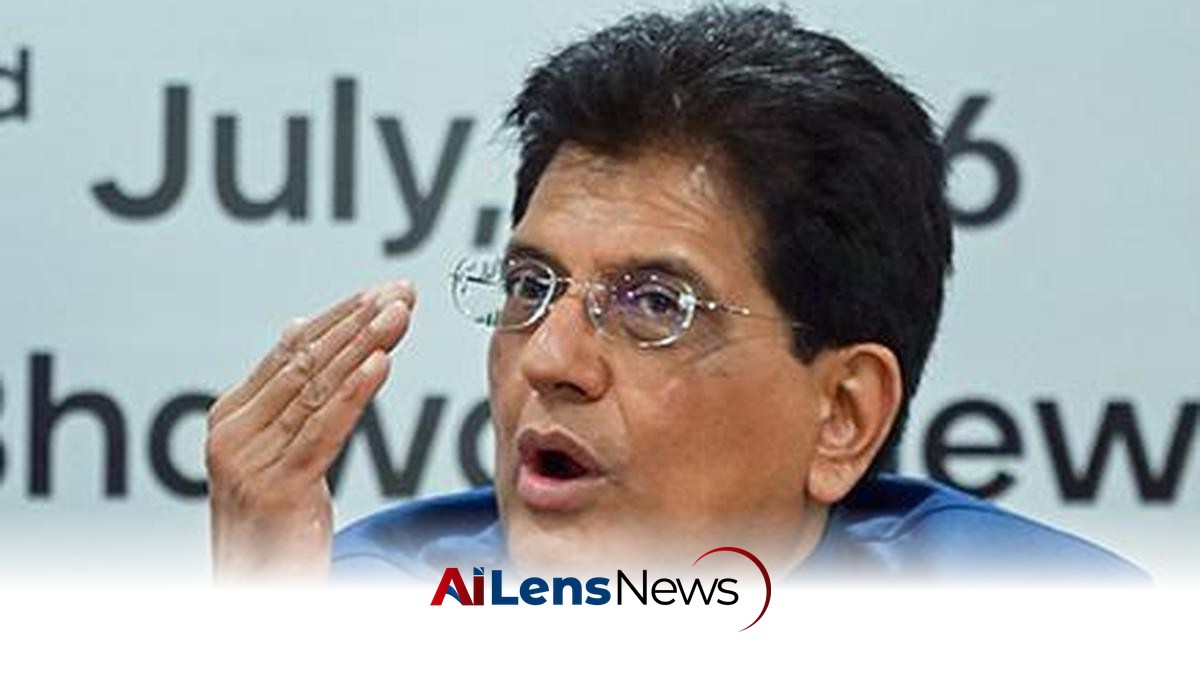


Minister Piyush Goyal expresses doubts about the swift conclusion of the India-Peru FTA due to market access concerns, while discussing the Canada negotiations.
New Delhi, India Jul 4, 2026 ALN: Commerce and Industry Minister Piyush Goyal's recent remarks regarding the India-Peru free trade agreement (FTA) have raised eyebrows and sparked discussions about the complexities involved in international trade negotiations. Goyal's assertion that the FTA negotiations are unlikely to conclude anytime soon underscores the challenges that both nations face in reaching a mutually beneficial agreement.
The India-Peru FTA negotiations have been on the table since 2017, reflecting a long-standing interest in enhancing bilateral trade relations. However, Goyal's comments indicate that significant hurdles remain, particularly concerning market access for various products. This situation is not uncommon in trade negotiations, where the interests of different sectors can conflict, leading to protracted discussions. Both India and Peru have diverse economies, and the intricacies of their respective markets add layers of complexity to the negotiations.
Market access is a critical aspect of any FTA, as it determines the extent to which goods and services can be traded between countries without tariffs or other barriers. In the case of the India-Peru FTA, Goyal's statement suggests that there are specific products for which India is unable to offer favorable terms. This could be due to a variety of reasons, including domestic industry protection, concerns over quality and standards, or geopolitical considerations. For instance, India may be hesitant to lower tariffs on agricultural products that could negatively impact local farmers, while Peru may have similar concerns regarding Indian manufactured goods.
Peru, with its diverse economy that includes mining, agriculture, and fishing, presents both opportunities and challenges for Indian exporters. While India has a growing demand for certain Peruvian products such as copper, avocados, and fishmeal, Indian exporters may face restrictions on exporting certain goods to Peru, creating an imbalance that complicates negotiations. The Peruvian market, while rich in natural resources, may not be as receptive to Indian products, particularly if there are existing trade barriers or if Indian goods do not meet local standards.
Trade agreements often require concessions from both sides, and it is crucial for negotiators to find a middle ground that satisfies the interests of their respective domestic industries. Goyal's remarks reflect the cautious approach that India is taking in these discussions, particularly as it seeks to protect its own economic interests while engaging with international partners. This balancing act is essential for maintaining domestic stability and ensuring that trade agreements do not inadvertently harm local industries.
In contrast to the stalled negotiations with Peru, Goyal provided a more optimistic update regarding the India-Canada FTA. He indicated that negotiations with Canada are progressing well, with a team of Indian officials set to visit Canada for the next round of talks. This contrasts sharply with the situation in Peru and highlights the varying dynamics that India faces with different trading partners. The Canada-India trade relationship has been marked by a shared interest in sectors such as technology, agriculture, and natural resources, which may facilitate smoother negotiations.
The India-Canada FTA negotiations have gained momentum, and Goyal expressed hope that they could be concluded within the next six months. This timeline suggests a more streamlined negotiation process, possibly due to shared interests and a clearer understanding of each other's market needs. Canada, being a major player in sectors such as technology, agriculture, and natural resources, presents a different set of opportunities for India compared to Peru. The potential for collaboration in high-value sectors could lead to a more favorable outcome for both nations.
Furthermore, Goyal's upcoming trip to Brussels for the India-EU Trade and Technology Council (TTC) meeting indicates India's proactive approach to strengthening trade relationships with key global partners. The TTC aims to facilitate cooperation in various sectors, including technology, trade, and sustainability. Goyal's statement that the TTC could supplement the FTA negotiations reflects India's strategic intent to align its trade policies with broader economic objectives. Engaging with the EU on trade and technology can open new avenues for collaboration and investment, which is vital for India's economic growth.
Trade agreements like the FTA with Peru and ongoing discussions with Canada and the EU are part of India's broader strategy to enhance its global trade footprint. India has been actively pursuing FTAs with various countries and regions to boost exports, attract foreign investment, and create jobs. However, the complexities of each negotiation require careful consideration of domestic interests and international obligations. The Indian government recognizes that while FTAs can provide significant economic benefits, they also require careful management to ensure that the interests of local industries are not compromised.
The implications of Goyal's statements extend beyond immediate trade relations. They highlight the intricate balance that India must strike between protecting its domestic industries and fostering international trade partnerships. As nations navigate the post-pandemic economic landscape, the importance of FTAs in facilitating recovery and growth cannot be overstated. Trade agreements can serve as a catalyst for economic development, helping countries diversify their economies and reduce reliance on specific markets.
Moreover, the challenges faced in the India-Peru negotiations may serve as a learning experience for future trade discussions. Understanding the factors that contribute to stalled negotiations can help policymakers and trade negotiators devise strategies to overcome similar obstacles in other agreements. For instance, identifying key areas of mutual interest and addressing concerns early in the negotiation process could lead to more favorable outcomes.
In conclusion, Piyush Goyal's remarks regarding the India-Peru FTA reflect the complexities inherent in international trade negotiations. While the prospects for the FTA may appear dim in the short term, ongoing discussions with Canada and participation in the India-EU TTC demonstrate India's commitment to enhancing its trade relationships globally. As the global economy continues to evolve, the success of these negotiations will play a crucial role in shaping India's economic future and its position in the international trade landscape. The ability to navigate these complexities will ultimately determine how effectively India can integrate into the global economy and benefit from the opportunities that arise from international trade.
To learn more about the latest developments in Corporate & Industry Insights, stay updated with our exclusive reports and analyses on AiLensNews.

