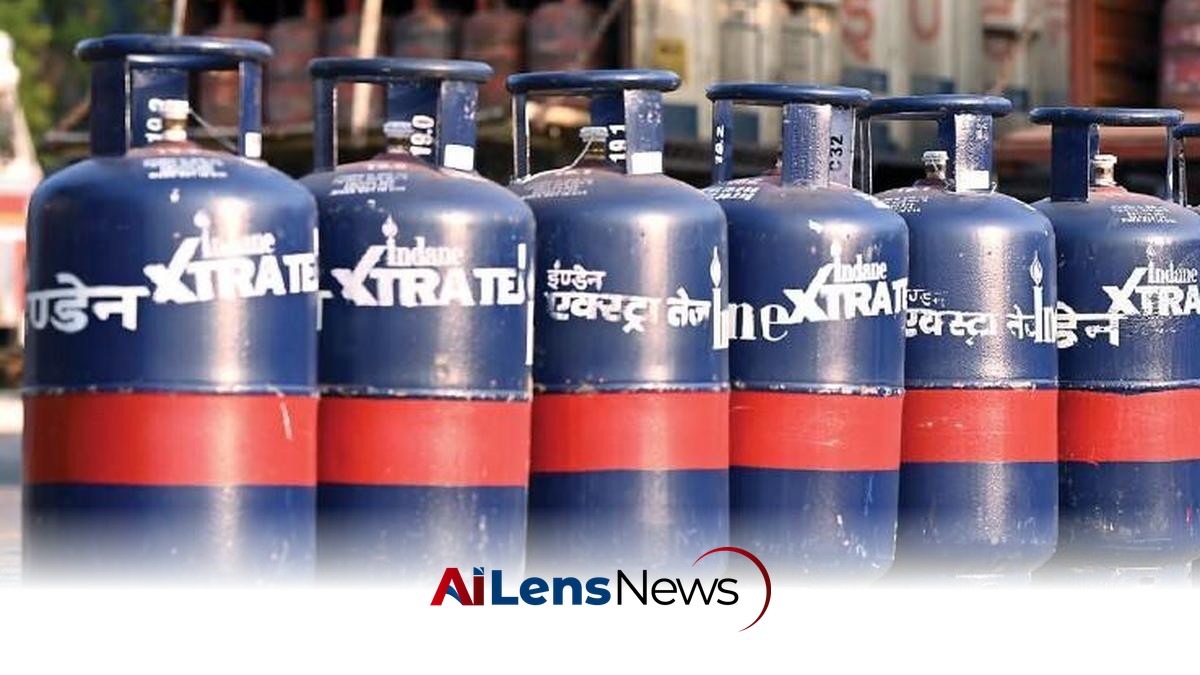


Public sector oil-marketing companies reduce commercial LPG prices amid improved supply conditions, while domestic rates remain unchanged.
New Delhi, India Jul 2, 2026 ALN: In an indication of an improvement in the LPG supply situation with the four-month-long West Asia conflict at a probable end, public sector oil-marketing companies (OMCs) on Wednesday cut the prices of commercial LPG cylinders by ₹183.5 and that of the 5 kg free trade LPG (FTL) cylinders by ₹13. This marks the first reduction in the price of commercial LPG in 2026 after the rates were hiked by ₹1,345 per refill in four tranches since March 7. The price adjustments reflect the ongoing volatility and dynamics of the energy market, particularly in relation to international conflicts that can disrupt supply chains.
However, there was no immediate relief for households as the price of domestic LPG, which was increased in two tranches by almost ₹90, remains unchanged. This discrepancy between commercial and domestic LPG prices underscores the different dynamics influencing supply and demand in these two segments of the market. While commercial users, such as restaurants and catering services, may benefit from the recent price cuts, households continue to bear the burden of higher domestic LPG prices, which can significantly impact their monthly budgets.
The OMCs also cut the price of aviation turbine fuel for domestic carriers by ₹5 per litre, further indicating a potential stabilization in fuel prices across various sectors. This reduction in aviation fuel prices may lead to lower operational costs for airlines, which could eventually translate into cheaper airfares for consumers. It is essential to note that fuel prices are closely tied to global crude oil prices, which can fluctuate based on geopolitical tensions, supply chain disruptions, and changes in production levels by major oil-producing countries.
Last week, the government lifted supply restrictions on commercial LPG, a move that is expected to enhance availability and potentially stabilize prices. Speaking to industry experts, Prashant Vashisht, senior vice-president and co-group head of corporate sector ratings at ICRA, noted that the opening of the Strait of Hormuz should help ease supplies of LPG, provided there are no further flare-ups in the region. The Strait of Hormuz is a critical chokepoint for global oil and gas shipments, and any disruptions there can have significant implications for energy prices worldwide. This strategic waterway is vital not only for India but for many countries that rely on energy imports from the Gulf region.
“Before the conflict, we were heavily reliant on the Gulf for our LPG requirements. Amid the conflict, increased supplies came from the U.S. and Australia, which are a bit far, leading to longer transit times,” he explained. This shift in sourcing highlights the global nature of energy markets and the interconnectedness of supply chains. The reliance on more distant suppliers can lead to increased costs and longer wait times, ultimately affecting consumers. The logistics of transporting LPG from these remote sources can also introduce variability in pricing, depending on shipping costs and transit times.
Sukhmal Jain, former director (marketing) at Bharat Petroleum, cautioned that while the immediate risk from the conflict may have moderated, it would be premature to conclude that “risks have disappeared completely.” The geopolitical landscape in the Middle East is often volatile, and any resurgence of conflict could quickly impact global energy supplies and prices. The potential for further disruptions emphasizes the need for countries, including India, to develop strategic reserves and diversify their energy sources to mitigate risks associated with geopolitical instability.
“While recent developments have helped stabilize crude prices, markets continue to closely monitor the situation because any disruption in production, shipping routes, insurance costs, or logistics can quickly influence global energy prices,” he added. This emphasizes the importance of geopolitical stability for energy security and the need for countries to diversify their energy sources to mitigate risks. The interconnected nature of global energy markets means that events in one region can have far-reaching consequences elsewhere, underscoring the need for a proactive approach to energy policy.
After Wednesday’s revision, the price of a 19kg LPG cylinder in Delhi, which serves as a benchmark for prices in the country, was down by ₹183.5 to ₹2,930. In Mumbai, it was ₹2,885.5 (down ₹182), in Kolkata ₹3,081.5 (down ₹174), and in Chennai ₹3,106 (down ₹177). These reductions are expected to provide some relief to es that rely heavily on LPG for cooking and heating, particularly in the hospitality and food service industries. The reduced costs may help these es recover from the financial strain caused by previous price hikes and supply restrictions.
The ‘Chhotu’ FTL cylinder refills, primarily catering to migrant workers, are now available at ₹808.5 in Delhi. This smaller cylinder option has become increasingly popular among low-income households and workers who may not require a full-sized cylinder but still need a reliable source of cooking fuel. The introduction of smaller cylinder options has been a strategic move to cater to the changing needs of consumers, especially in urban areas where space and affordability are significant concerns.
Typically, non-domestic or commercial LPG accounts for about 13% of overall LPG sales by public sector OMCs. According to the latest provisional data from the Petroleum Planning and Analysis Cell for June 2026, the overall consumption of LPG, both domestic and commercial combined, declined by 16.7% compared to the same period last year. This decline coincides with the commercial LPG supply restrictions in place, as well as higher interim booking timelines for LPG. The reduction in consumption can be attributed to several factors, including increased prices, supply chain disruptions, and changing consumer behavior. es may have been forced to adapt by seeking alternative energy sources or reducing their LPG usage due to the higher costs associated with refilling cylinders.
Separately, privately owned OMC, Nayara Energy, which operates more than 7,000 pumps across the country, reduced the price of petrol and diesel by ₹5 and ₹3 per litre respectively. It had hiked fuel prices by the same amount at the peak of the conflict on March 26. This adjustment reflects the broader trends in fuel pricing and the impact of global market conditions on domestic fuel costs. The interplay between international crude oil prices and domestic fuel pricing is a critical aspect of the energy landscape, as fluctuations can have significant implications for consumer spending and economic stability.
The recent price cuts in both LPG and fuel could indicate a stabilizing trend in the energy market, but they also highlight the ongoing challenges that consumers face. Rising energy costs can have a cascading effect on the economy, impacting everything from transportation costs to food prices, and ultimately affecting household budgets. As energy prices fluctuate, consumers may seek to adjust their spending habits, potentially leading to shifts in demand for various goods and services.
As the situation evolves, it will be crucial for both the government and energy companies to remain vigilant and responsive to changes in the global energy landscape. The interplay between geopolitical events, supply chain dynamics, and market demand will continue to shape the pricing and availability of essential energy resources like LPG. Consumers and es alike will need to stay informed and adapt to these changes to manage their energy needs effectively. The government may also need to consider interventions or policies to support vulnerable populations who are disproportionately affected by rising energy costs, ensuring that access to essential services is maintained even in times of economic uncertainty.
To learn more about the latest developments in Corporate & Industry Insights, stay updated with our exclusive reports and analyses on AiLensNews.

