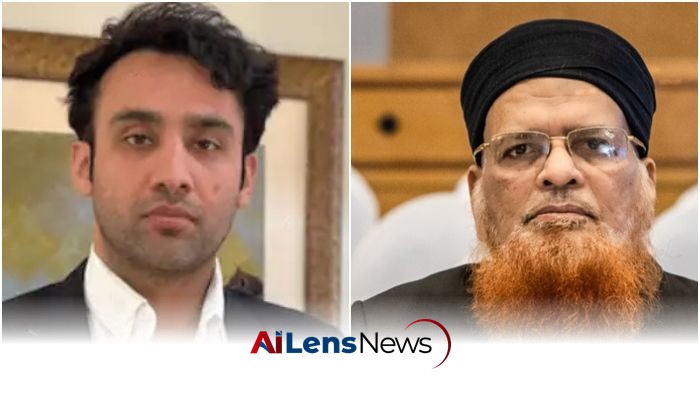


A significant meeting between Bilal bin Saqib and Mufti Muhammad Taqi Usmani focused on the Sharia status of digital assets, emphasizing the need for careful evaluation and protection against financial risks.
Islamabad, Pakistan Jul 12, 2026 ALN: In a pivotal meeting, Bilal bin Saqib, Chairman of the Pakistan Virtual Assets Regulatory Authority, engaged with renowned religious scholar Mufti Muhammad Taqi Usmani to discuss the Sharia status of digital assets. This dialogue is particularly significant given the increasing prominence of cryptocurrencies and digital assets in global financial markets and the regulatory challenges they present. In Pakistan, the regulation of cryptocurrencies has emerged as a hot topic, especially as the country grapples with its economic landscape and seeks to harness technological advancements.
Bilal bin Saqib described the meeting as constructive, highlighting the importance of understanding emerging technologies while safeguarding the public from potential fraud, exploitation, and financial risks. He shared insights on social media, emphasizing their shared goal of protecting Pakistani citizens from financial losses. The rapid evolution of digital assets requires regulatory bodies to be proactive in their approaches, ensuring that the public is informed and protected against potential pitfalls associated with these new financial instruments.
Both parties recognized the necessity of a nuanced approach to digital assets, advocating for careful evaluation rather than a blanket perspective. Bilal pointed out that blockchain technology, stablecoins, and tokenized real-world assets are distinct categories that require individual analysis. This differentiation is crucial because it acknowledges that not all digital assets operate under the same principles or present the same risks. For example, stablecoins, which are pegged to traditional currencies, may have different implications under Islamic law compared to highly volatile cryptocurrencies.
Key Insights from the Meeting:
Bilal bin Saqib also referenced a recent opinion from Mufti Taqi Usmani regarding cryptocurrency. According to Usmani, cryptocurrencies do not qualify as traditional wealth but rather represent mere entries of numbers in digital accounts. He asserted that purchasing goods using cryptocurrencies, including USDT or other tokens, is impermissible based on his interpretation. This perspective highlights the ongoing debates within the Islamic scholarly community regarding the nature of digital currencies and their role in contemporary finance.
The implications of this meeting extend beyond mere regulatory discussions; they reflect a broader trend in which traditional financial systems are increasingly intersecting with modern technological advancements. As countries worldwide navigate the complexities of digital currencies, Pakistan's approach, particularly in the context of Islamic finance, could serve as a model or cautionary tale for other nations with similar socio-economic and religious landscapes.
This meeting underscores the growing need for a structured approach to digital assets in Pakistan, balancing innovation with ethical considerations. As the discourse around cryptocurrency continues, the collaboration between regulatory bodies and religious scholars will be crucial in shaping the future of digital finance in the country. The outcome of these discussions may influence not only the regulatory framework in Pakistan but also the broader acceptance and integration of digital assets within Islamic finance.
As digital assets gain traction, there is also a pressing need for educational initiatives aimed at informing the public about the risks and benefits of engaging with cryptocurrencies. The potential for fraud and exploitation in the digital asset space is significant, and without adequate knowledge and regulatory oversight, consumers may find themselves vulnerable to financial losses. Therefore, part of the regulatory authority's responsibility will be to ensure that educational resources are made available to the public, empowering them to make informed decisions.
Moreover, the conversation surrounding digital assets is not isolated to Pakistan. Globally, various countries are taking steps to regulate cryptocurrencies, with some embracing them as part of their financial systems while others impose strict bans. The diverse approaches reflect differing economic priorities, cultural values, and regulatory philosophies. For instance, countries like El Salvador have adopted Bitcoin as legal tender, while nations such as China have cracked down on cryptocurrency transactions altogether. This divergence highlights the need for Pakistan to carefully consider its unique context when developing its regulatory framework.
In conclusion, the meeting between Bilal bin Saqib and Mufti Muhammad Taqi Usmani marks a significant step towards establishing a comprehensive regulatory approach to digital assets in Pakistan. By fostering dialogue between regulatory authorities and religious scholars, Pakistan aims to navigate the complexities of digital finance while adhering to Islamic principles. As the landscape of digital assets continues to evolve, the outcomes of such discussions will be pivotal in shaping the future of finance in the country, ensuring that it remains aligned with ethical standards while embracing innovation.
To learn more about the latest developments in Cryptocurrency, stay updated with our exclusive reports and analyses on AiLensNews.

