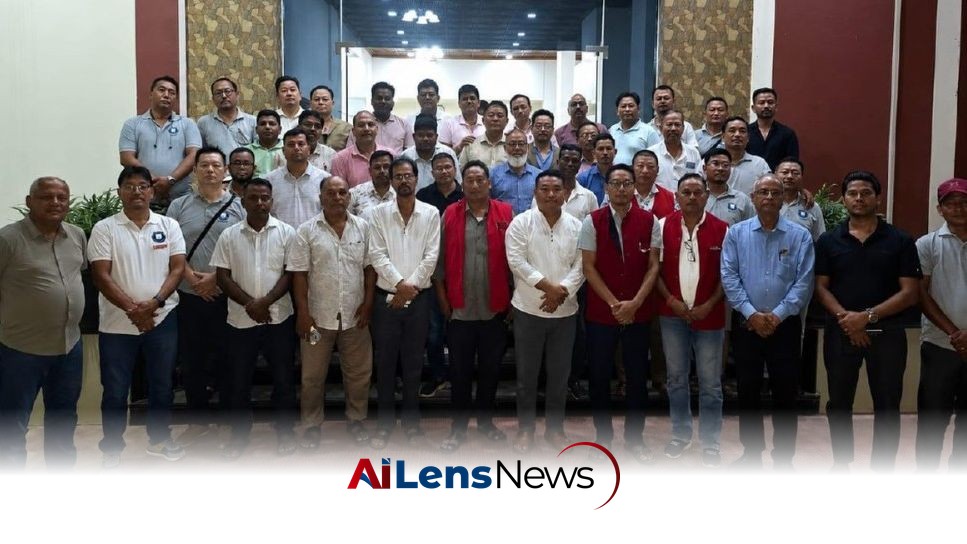


Dimapur faces a business slump due to a consumer drain into Assam, attributed to illicit market syndicates and rising prices, as discussed in a recent consultative meeting.
Kohima, India Jul 11, 2026 ALN: Consultative Meeting Addresses Business Concerns
Dimapur, the largest city in , India, has recently experienced a noticeable business slump, attributed to a purported ‘consumer drain’ into the neighboring Karbi Anglong district of Assam. The term 'consumer drain' refers to the phenomenon where local consumers opt to purchase goods and services from nearby regions due to better pricing or availability, thereby reducing the economic activity within Dimapur. This situation has raised significant concerns among local business leaders and community representatives, who gathered for a consultative meeting on July 11 to discuss the implications of this trend.
The meeting was organized by several local organizations, including the Dimapur Urban Council Chairmen Federation (DUCCF), the Gaonbura Union Dimapur Sadar (GBUDS), and the Dimapur District Gaonbura Association (DDGBA). The primary aim of the gathering was to address the challenges faced by non-Naga communities in the city, which play a crucial role in the local economy. One of the core issues discussed was the impact of illicit market syndicates that have reportedly driven up prices for essential goods, prompting local consumers to seek better deals across the inter-state border in areas like Lahorijan, Khatkhati, and Bokajan. These regions have become attractive alternatives for consumers due to their competitive pricing.
According to GBUDS, these syndicates have been arbitrarily controlling prices for items such as chili, garlic, potatoes, and eggs, which are staples in the local diet. GBUDS President K Hokuto Zhimomi expressed frustration over the situation, stating, “Just for the benefit of one family, lakhs and lakhs of the public suffer and face hardships when buying these goods.” This statement underscores the broader implications of price manipulation on the community, highlighting how a few individuals can significantly impact the livelihoods of many. The rising costs have not only strained household budgets but have also contributed to a sense of economic insecurity among residents.
In response to these challenges, Zhimomi mentioned that they are working closely with the Dimapur district administration and the Dimapur Municipal Council to address the syndicate system and regulate market rates. This collaboration aims to restore fair pricing and ensure that local businesses can compete effectively against external markets. The involvement of government bodies is crucial, as they can implement policies that promote transparency and accountability within the marketplace.
Community Engagement and Economic Stability
DUCCF President Zasivikho Zakiesato emphasized the importance of gathering insights from non-Naga residents regarding the issues affecting them and the broader business environment in Dimapur. He noted that the business sector is predominantly non-Naga, which suggests that a significant portion of the economic activity in the city is driven by these communities. Highlighting that such a coordination meeting had not occurred in many years, Zakiesato remarked on the need for ongoing dialogue to address the evolving economic landscape.
Zakiesato described the meeting as an initial discussion aimed at understanding the economic challenges facing Dimapur. He stated, “Our discussion is about how we can economically make Dimapur town stable.” This focus on stability is particularly pertinent given the current economic climate, which has been exacerbated by external pressures such as the COVID-19 pandemic and ongoing supply chain disruptions. When asked if the perceived consumer drain is supported by data, he suggested that the state government should deploy economists and statisticians to validate these claims, emphasizing the need for evidence-based approaches to policymaking.
The meeting also addressed grievances related to difficulties in accessing state-sponsored health insurance schemes for non-Naga residents. This issue is critical as it affects the overall well-being of a significant portion of the population, who may not have access to essential health services. Additionally, concerns regarding the ‘floating population’—individuals who move in and out of the city for work or other reasons—and the Inner Line Permit (ILP) system were discussed. The ILP system, which regulates the entry of non-Naga individuals into certain areas of the Northeast, has implications for both community relations and economic activity.
A press release from the DUCCF Media Cell indicated that the consultative meeting was necessary due to the presence of non-Naga residents and their businesses in various localities governed by colony councils and Gaonburas. The representation from diverse community organizations, including the Bihari Samaj, Bhojpuri Samaj, Marwari Samaj, Jain Samaj, Agarwal Samaj, Gorkha Union, Oswal Samaj, Dimapur Bengali Samaj, Sikh Samaj, Telugu Samaj, and others, highlights the multicultural fabric of Dimapur. This diversity is both a strength and a challenge, as it necessitates inclusive policies that cater to the needs of various groups.
Key issues discussed included community welfare, the ILP, and the impact of the floating population on city resources and services. Participants sought sustainable solutions to accommodate diverse groups while ensuring community stability. The dialogue reflects a growing recognition of the need for cooperation among different communities to address shared challenges, particularly in times of economic uncertainty.
Concerns were also raised about monetary collections by multiple unions and the issuance of permits, which participants felt placed an undue burden on businesses and residents alike. These practices can lead to confusion and frustration, as individuals navigate the bureaucratic landscape to conduct their daily activities. The meeting aimed to streamline these processes and reduce the financial strain on local businesses.
Overall, the consultative meeting marked a step towards fostering a more cohesive and collaborative framework between Dimapur’s traditional apex bodies and the vibrant non-Naga community. The discussions initiated during this meeting are essential for building trust and understanding among different groups, which is vital for the long-term stability and growth of the local economy. The DUCCF stated that such consultative meetings would continue in the future, signaling a commitment to ongoing dialogue and collaborative problem-solving in the face of emerging challenges.
As Dimapur navigates these complex issues, the outcomes of such meetings will be crucial in shaping policies that not only address immediate concerns but also lay the groundwork for a more inclusive and resilient economic future. With the potential for continued collaboration between community leaders and government officials, there is hope that the economic landscape in Dimapur can be improved, benefiting all residents and businesses in the region.
To learn more about the latest developments in Corporate & Industry Insights, stay updated with our exclusive reports and analyses on AiLensNews.

