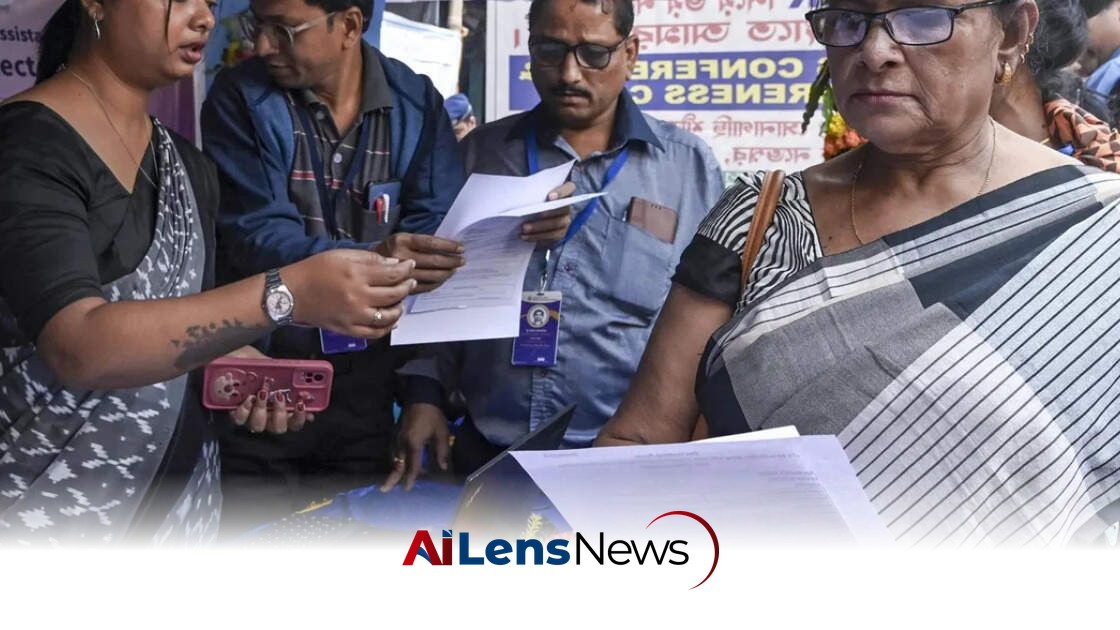


New voter applicants must now submit their parents' Special Intensive Revision details as mandated by the Election Commission for Form 6 inclusion.
New Delhi, India Jul 12, 2026 ALN: New Delhi: The Election Commission (EC) has announced that new voter applicants must submit their parents' Special Intensive Revision (SIR) details to be included in the electoral rolls. This requirement applies not only to new applicants but also to existing voters who were not covered in previous SIRs. The move is part of a broader strategy to enhance the integrity and accuracy of the electoral rolls in India, which has long been a topic of discussion among various stakeholders including political parties, civil society organizations, and the general public.
According to EC officials, the mandate to attach SIR details of parents is necessary for those filling out Form 6 for voter registration. This declaration was introduced as part of the Bihar SIR process rolled out in June last year, and new voters are required to file this declaration alongside their application. The SIR process aims to systematically revise the electoral rolls, ensuring that they reflect the current demographics and status of the population.
Officials highlighted that the inclusion of this declaration helps in mapping electors and simplifies the documentation process for new voters. The rationale behind this requirement is to create a more organized and traceable system of voter registration. If a person fills Form 6 online, they cannot proceed further until the declaration is completed. This digital approach not only modernizes the voter registration process but also aims to reduce the chances of errors and fraudulent registrations.
Furthermore, the requirement for parental SIR details is seen as a measure to establish a clearer lineage in voter registration. This could potentially help in verifying the identity of new voters and ensuring that they are eligible to vote. The EC believes that such measures will contribute to a more robust electoral system, allowing for better tracking of voter demographics and participation rates.
In a separate statement, the EC defended the Special Intensive Revision process, responding to concerns raised by UN rapporteurs regarding its transparency. They asserted that the SIR is constitutional and endorsed by the Supreme Court, aiming to include all eligible Indian citizens while removing duplicate, deceased, and absent voters from the electoral rolls. The EC emphasized that the SIR process is not just a bureaucratic formality, but a critical step towards ensuring a fair electoral process.
The EC's defense of the SIR process also comes in the wake of criticisms regarding its implementation. Critics argue that the process, while well-intentioned, may inadvertently disenfranchise certain groups of voters, particularly those from marginalized communities who may not have the requisite documentation readily available. The EC has acknowledged these concerns and has stated that it is committed to making the voter registration process as inclusive as possible.
EC officials addressed allegations of large-scale deletions of minority voters, particularly in areas like Nandigram, West Bengal. They emphasized that voters had ample opportunities to challenge any exclusions and denied any bias in the process. The EC pointed out that it has established mechanisms for voters to verify their status and appeal against any wrongful deletions from the electoral rolls. This is part of the EC's broader commitment to uphold the democratic process and ensure that all eligible voters have their voices heard.
Moreover, the EC has taken steps to engage with local communities and civil society organizations to raise awareness about the voter registration process. This outreach is aimed at educating citizens about their rights and responsibilities as voters, and to encourage greater participation in the electoral process. The EC believes that an informed electorate is essential for the functioning of a healthy democracy.
The new requirement for parental SIR details could have significant implications for voter participation in India. On one hand, it aims to enhance the accuracy of the electoral rolls and reduce instances of fraud. On the other hand, it may pose challenges for individuals who may find it difficult to provide the necessary documentation, particularly younger voters who may be applying for the first time. The EC has indicated that it will monitor the impact of this requirement and make adjustments as necessary to ensure that it does not hinder voter participation.
Additionally, the EC's commitment to transparency and integrity in the electoral process is crucial in building public trust. As the political landscape in India continues to evolve, the role of the EC in ensuring free and fair elections remains paramount. The introduction of measures like the parental SIR details is part of a larger effort to adapt to changing demographics and technological advancements, while also addressing historical challenges in the electoral process.
In conclusion, the new requirement for parental SIR details aims to streamline the voter registration process while ensuring that the electoral rolls are accurate and inclusive. The EC remains committed to maintaining transparency and integrity in the electoral process. As India approaches future elections, the effectiveness of these measures will be closely watched by political analysts, civil society, and the electorate at large. The ongoing dialogue around electoral reforms reflects the dynamic nature of India's democracy, as it seeks to balance the need for security and integrity with the fundamental right to vote for all citizens.
Voter registration in India has historically been a complex issue, shaped by the country’s diverse population and socio-political dynamics. The electoral rolls are crucial for ensuring that every eligible citizen can exercise their democratic right to vote. However, maintaining accurate and up-to-date electoral rolls has been a persistent challenge for the Election Commission. Factors such as migration, changes in demographics, and the need for regular updates to reflect the current population have necessitated the introduction of various measures like the SIR process.
The SIR process is designed to address these challenges by conducting systematic revisions of the electoral rolls. It aims to not only include new voters but also to remove names of individuals who are no longer eligible to vote, such as those who have passed away or have moved out of the area. This process is essential to ensure that the electoral rolls are reflective of the current population, thereby enhancing the credibility of the electoral process.
While the SIR process and the new requirement for parental SIR details are aimed at improving the electoral system, they also come with challenges. One significant concern is the potential for bureaucratic hurdles that could deter eligible voters from registering. For many, especially those in rural or underserved areas, the requirement to provide additional documentation may prove to be a barrier. There is a risk that individuals from marginalized communities, who may lack access to necessary documents or face difficulties in navigating the registration process, could be disproportionately affected.
Moreover, the digitalization of the voter registration process, while beneficial in many ways, may also create challenges for those who are not tech-savvy or do not have reliable access to the internet. The EC has recognized these challenges and has committed to implementing measures to ensure that the voter registration process is accessible to all citizens, regardless of their socio- status or geographical location.
As India prepares for future elections, the implications of the new voter registration requirements will be closely monitored. The EC's approach to voter registration will likely continue to evolve, influenced by feedback from stakeholders and the changing political landscape. The integration of technology into the electoral process is expected to grow, with efforts to enhance transparency and efficiency in voter registration and electoral management.
Furthermore, as public awareness of voting rights and the electoral process increases, the EC may need to adapt its strategies to engage with citizens more effectively. Educational campaigns aimed at informing voters about the registration process, their rights, and the importance of participation in elections will be crucial in fostering a more engaged electorate.
Ultimately, the goal of these measures is to strengthen India's democracy by ensuring that the electoral process is fair, transparent, and inclusive. As the country navigates the complexities of voter registration and electoral reforms, the commitment of the EC to uphold democratic principles will be vital in shaping the future of elections in India.
To learn more about the latest developments in Corporate & Industry Insights, stay updated with our exclusive reports and analyses on AiLensNews.

