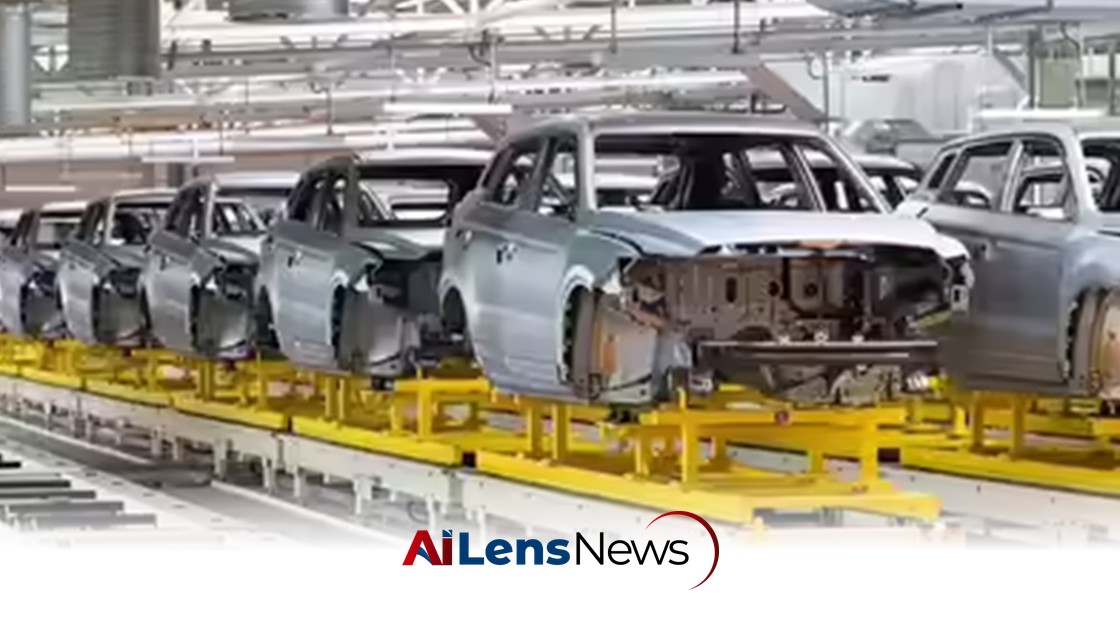


With nearly 350 million connected cars globally, automakers face challenges in monetizing software services as complimentary subscriptions expire.
New Delhi, India Jul 12, 2026 ALN: Connected Cars and Their Challenges
Globally, nearly 350 million connected cars are on the road, with about a fourth of those in India. This number is expected to rise significantly in the coming years. Between 2022 and 2026, features such as remote vehicle access, remote AC control, and battery management—largely driven by electric vehicles—are anticipated to see rapid growth. The rise of connected cars is not merely a technological advancement; it reflects a broader shift in consumer expectations and automotive innovation. The integration of internet connectivity into vehicles has transformed how drivers interact with their cars, enabling a range of functionalities that enhance convenience, safety, and overall driving experience.
As the automotive industry continues to evolve, manufacturers are investing heavily in connected technologies. This includes not only the vehicles themselves but also the infrastructure needed to support them, such as cloud services and data analytics platforms. With the advent of 5G technology, the potential for connected vehicles to communicate with each other and with surrounding infrastructure is set to increase, paving the way for smarter cities and improved traffic management. However, these advancements come with their own set of challenges, particularly in terms of cybersecurity, data privacy, and the need for robust regulatory frameworks.
Struggles with Monetization
India's connected-car market is discovering that while selling software is feasible, monetizing it presents a significant challenge. As internet-enabled features become standard in new vehicles, automakers are struggling to convince customers to continue paying for connected services once complimentary subscriptions expire. This situation is testing the industry's ambitions for software-driven revenue in a price-sensitive market. The struggle for monetization is not unique to India; it reflects a global trend where consumers are increasingly reluctant to pay for services that they perceive as non-essential or easily replaceable.
The trend marks a crucial reality check for car manufacturers who are banking on recurring software revenues. Reports indicate that renewal rates at some companies drop below 20% after complimentary subscriptions end, despite ongoing investments in telematics, cloud platforms, and digital services. This low renewal rate raises questions about the long-term sustainability of the business models that automakers have adopted. Ravi Bhatia, president of Jato Dynamics, emphasizes that the success of a carmaker will depend not just on the number of connected features but on creating digital services that customers find valuable enough to maintain throughout their ownership lifecycle. This necessitates a shift in focus from merely providing features to delivering a comprehensive ecosystem of services that enhance the overall ownership experience.
Growing Adoption of Connected Features
Leading automakers, including Maruti Suzuki, Hyundai Motor India, and Tata Motors, are currently offering connected platforms bundled for free for periods ranging from one to four years. This strategy aims to familiarize consumers with the benefits of connected features, with the hope that this exposure will lead to higher conversion rates to paid subscriptions once the trial period ends. While most manufacturers have not disclosed renewal rates, they assert that the adoption of connected technologies continues to grow. This growth is indicative of a changing landscape in consumer preferences, where connectivity is becoming a key factor in vehicle purchasing decisions.
Hyundai, which has over 832,000 connected vehicles on Indian roads, reports that just over one in five customers opt to continue with paid Bluelink subscriptions after the complimentary three-year period. This statistic highlights a broader challenge for the industry. It suggests that while consumers may appreciate the convenience of connected features, they may not see enough value in them to justify ongoing costs. This realization is prompting automakers to rethink their strategies and explore new ways to enhance the perceived value of their connected services.
Engagement Among Electric Vehicle Owners
Electric vehicle owners are among the most engaged users, actively utilizing connectivity for battery status, charging management, route planning, and in-car charging payments. As the market for electric vehicles continues to expand, so too does the importance of connectivity in enhancing the user experience. According to Tarun Garg, MD and CEO of Hyundai Motor India, the challenge lies not in consumers' willingness to pay for recurring subscriptions—since many already pay for mobile connectivity and digital services—but in making connected-car services indispensable to the ownership experience. This involves not only improving the functionality of existing services but also innovating new features that align with the evolving needs of consumers.
The first generation of connected vehicles focused primarily on convenience features such as remote locking and unlocking, vehicle tracking, and health reports. However, as the market evolves, automakers must adapt to ensure that these services become essential for consumers. This may involve leveraging data analytics to offer personalized services, enhancing user interfaces for better accessibility, and integrating with other smart devices within the consumer's ecosystem. The goal is to create a seamless experience that integrates the vehicle into the broader context of the consumer's lifestyle.
Conclusion
The connected car market is at a pivotal moment, facing both significant opportunities and challenges. As automakers navigate the complexities of monetizing software services, the focus must shift towards enhancing customer engagement and creating value that justifies ongoing subscriptions. This includes not only understanding consumer behavior but also anticipating future trends in mobility and connectivity. The successful integration of connected technologies into vehicles will ultimately depend on the industry's ability to innovate and adapt to changing consumer expectations while addressing the underlying challenges of monetization and service delivery.
As the automotive landscape continues to shift, stakeholders—including manufacturers, technology providers, and regulatory bodies—must collaborate to create an environment that fosters innovation while ensuring consumer protection and data privacy. The future of connected cars will likely hinge on the industry's ability to strike this balance, paving the way for a new era of mobility that is not only connected but also sustainable and user-centric.
To learn more about the latest developments in Corporate & Industry Insights, stay updated with our exclusive reports and analyses on AiLensNews.

