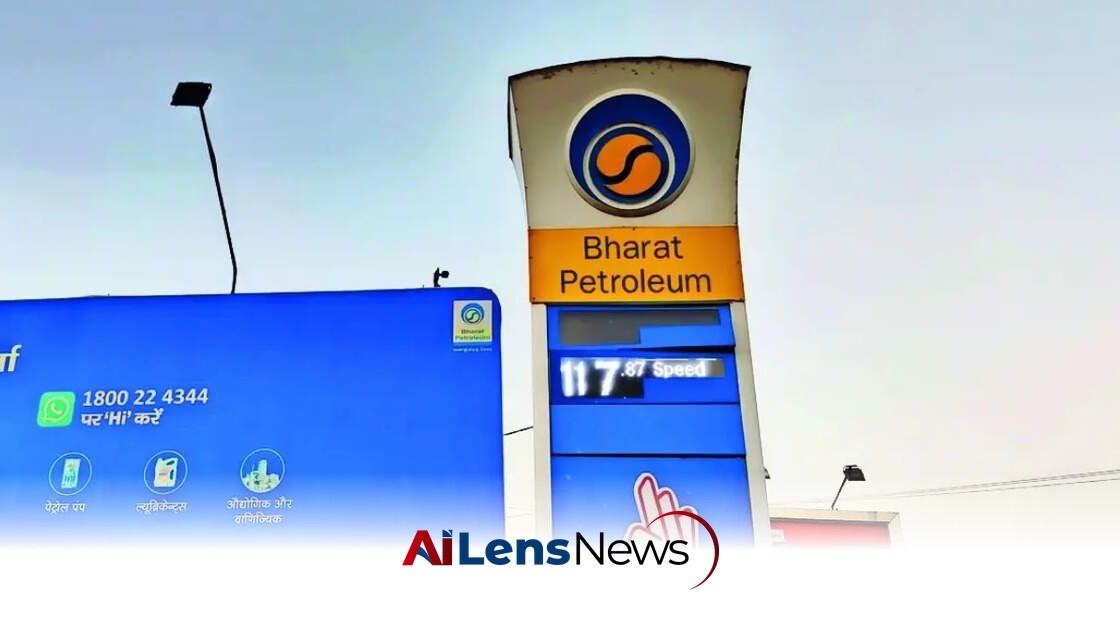


Bharat Petroleum Corporation Ltd is investing significantly to enhance its retail services and expand its electric vehicle charging network across major highways.
New Delhi, India Jul 7, 2026 ALN: Mumbai: State-run Bharat Petroleum Corporation Ltd (BPCL) is revamping its marketing strategy to sell more than just fuel as it looks to expand its market share. The country's second-largest fuel retailer, with a market capitalisation of ₹1.33 lakh crore, plans to invest ₹10,000-12,000 crore this fiscal to expand its retail offerings and services aimed at making travel easier and more convenient.
The company is targeting an increase in its market share from 29.9% currently to 32% by 2030, a senior company official said. "We are moving away from being product-centric to solution-centric. We want to immerse ourselves in the customer's energy journey," Subhankar Sen, Director (Marketing), BPCL, told ET, adding it would be the company's biggest-ever marketing investment.
A key part of the strategy is expanding its EV charging network. BPCL has installed fast chargers every 100-150 km on major highways under its eDrive brand. It said it has covered about 50,000 km of highways, enabling EV travel on routes such as Mumbai-Bengaluru, Mumbai-Srinagar, and Mumbai-Kerala. The network currently records over 1.72 lakh charging sessions every month.
BPCL believes concerns over charging availability and driving range continue to discourage EV adoption. It expects its charging network to help address these issues. The expansion of the EV charging network is not just a response to market demand but also aligns with the Indian government's push for electric mobility as a means to reduce carbon emissions and dependence on fossil fuels. The government has set ambitious targets for electric vehicle adoption, aiming for a significant percentage of all vehicles on Indian roads to be electric by 2030. BPCL’s proactive approach in establishing a robust charging infrastructure positions it as a key player in this transition.
The company’s strategy is also in line with global trends, where energy companies are increasingly diversifying their offerings to include alternative fuels and services that support sustainable transportation. By investing in EV charging infrastructure, BPCL not only addresses immediate consumer concerns but also capitalizes on the growing market for electric vehicles, which is expected to see significant growth in the coming years.
The company is also expanding its Drive Fresh initiative, which provides clean washrooms at fuel stations. This initiative is crucial as it enhances the overall customer experience, particularly for long-distance travelers who rely on fuel stations for rest and refreshment. Clean and well-maintained facilities can significantly influence customers' choice of fuel stations, thereby impacting BPCL's market share.
Additionally, BPCL is scaling up Be Cafe, its food and beverage brand, across fuel stations as well as airports, malls, and high streets. This move is part of a broader trend where fuel retailers are looking to transform their stations into convenience hubs that offer a range of services beyond just fuel. The introduction of cafes and food services can attract a wider customer base, including those who may not necessarily stop for fuel but are looking for quality food and beverage options during their travels.
BPCL's efforts reflect a broader trend in the energy sector, where companies are increasingly focusing on customer experience and convenience. By investing in both infrastructure and service enhancements, BPCL aims to position itself as a leader in the evolving energy landscape. The shift from a purely fuel-centric approach to a more holistic service-oriented model is indicative of changing consumer expectations, where convenience, quality, and experience are paramount.
As part of its strategy, BPCL is also likely to explore partnerships and collaborations with technology companies and startups that specialize in mobility solutions, digital payments, and customer engagement. Such collaborations could enhance BPCL's service offerings and provide customers with seamless experiences, such as mobile app-based charging station locators and payment solutions.
In conclusion, Bharat Petroleum's strategic investments in retail offerings and EV infrastructure are set to redefine its market presence and enhance customer convenience, aiming for a significant market share increase by 2030. The company's forward-looking approach not only addresses current consumer needs but also positions it favorably within the rapidly changing energy landscape, where sustainability and customer experience are becoming increasingly intertwined. As BPCL continues to innovate and adapt, it may very well set a benchmark for other players in the industry, driving a more customer-centric approach to energy retailing in India.
To understand the implications of BPCL's strategy, it is essential to consider the broader context of the Indian energy market and its transition towards sustainability. The Indian government has been actively promoting electric vehicles through various incentives and policies, including the Faster Adoption and Manufacturing of Hybrid and Electric Vehicles (FAME) scheme, which aims to encourage the adoption of electric mobility. BPCL's initiative to expand its EV charging network is in direct alignment with these governmental efforts, which are crucial for achieving national targets for reducing carbon emissions and fostering a greener economy.
The expansion of the EV charging infrastructure is not merely a response to regulatory pressures but a strategic move to capture a growing segment of the market. The electric vehicle market in India is projected to grow exponentially in the coming years, driven by increasing consumer awareness, rising fuel prices, and advancements in battery technology. By positioning itself as a leader in this domain, BPCL not only enhances its competitive edge but also contributes to the overall growth of the electric vehicle ecosystem in the country.
Moreover, the focus on enhancing retail services is indicative of a significant shift in consumer behavior. Today's consumers are looking for more than just a transactional experience; they seek convenience and quality in their interactions with service providers. BPCL's initiatives, such as the Drive Fresh program and the Be Cafe expansion, are designed to meet these evolving expectations. By providing clean facilities and quality food options, BPCL is not only improving customer satisfaction but also increasing the likelihood of repeat business, which is essential for maintaining and growing market share in a competitive landscape.
Additionally, BPCL's commitment to exploring partnerships with technology companies highlights the importance of innovation in the energy sector. The integration of digital solutions can significantly enhance operational efficiency and customer engagement. For instance, mobile applications that facilitate easy access to charging station locations, real-time availability updates, and seamless payment options can greatly improve the user experience for electric vehicle owners. Such technological advancements are crucial in making electric mobility a viable option for a larger segment of the population.
In summary, BPCL's strategic initiatives reflect a comprehensive approach to redefining its role in the energy market. By expanding its EV charging network and enhancing retail services, the company is not only responding to current market demands but is also preparing for future challenges and opportunities. This forward-thinking strategy positions BPCL favorably within an evolving landscape, where sustainability, customer experience, and technological innovation will play pivotal roles in shaping the future of energy retailing in India.
To learn more about the latest developments in Corporate & Industry Insights, stay updated with our exclusive reports and analyses on AiLensNews.

